Tile a page with tessellating shapes
Put four paper squares around a point and ask your child to keep building outward. Can the pattern cover the table without gaps or overlaps? Then try the same question with equal-sized equilateral triangles. Your child is investigating a tessellation: a tiling that can keep extending. The aim is to explain how pieces fit, rather than finish a decorative pattern as quickly as possible.
Why these resources fit
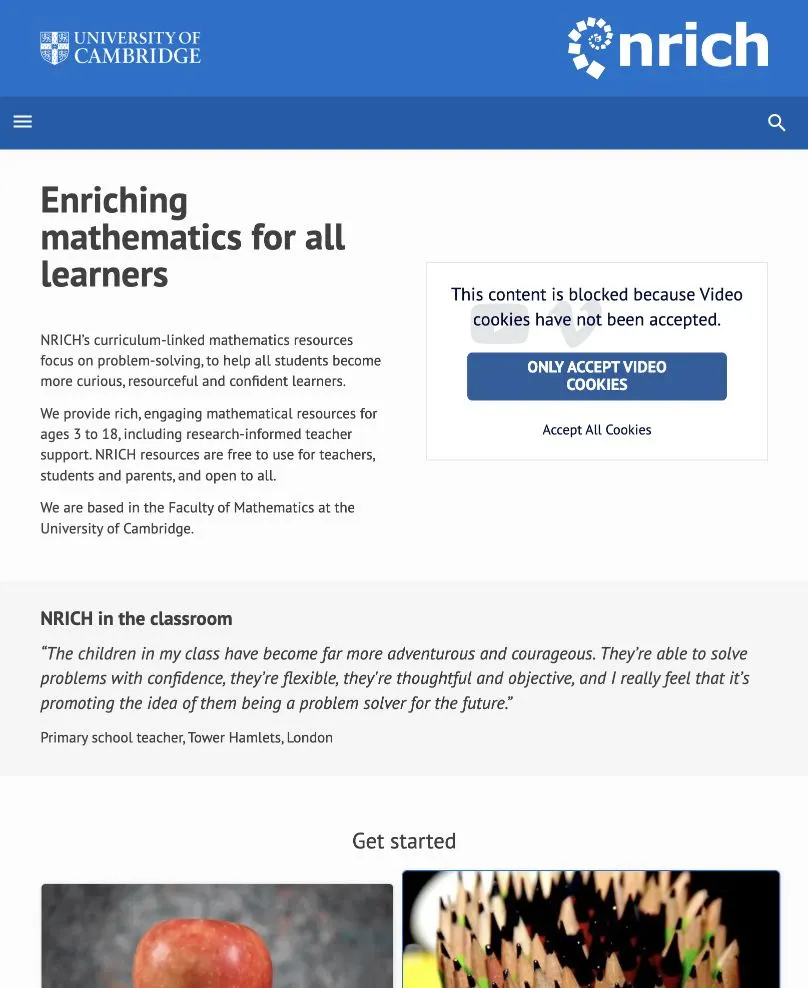
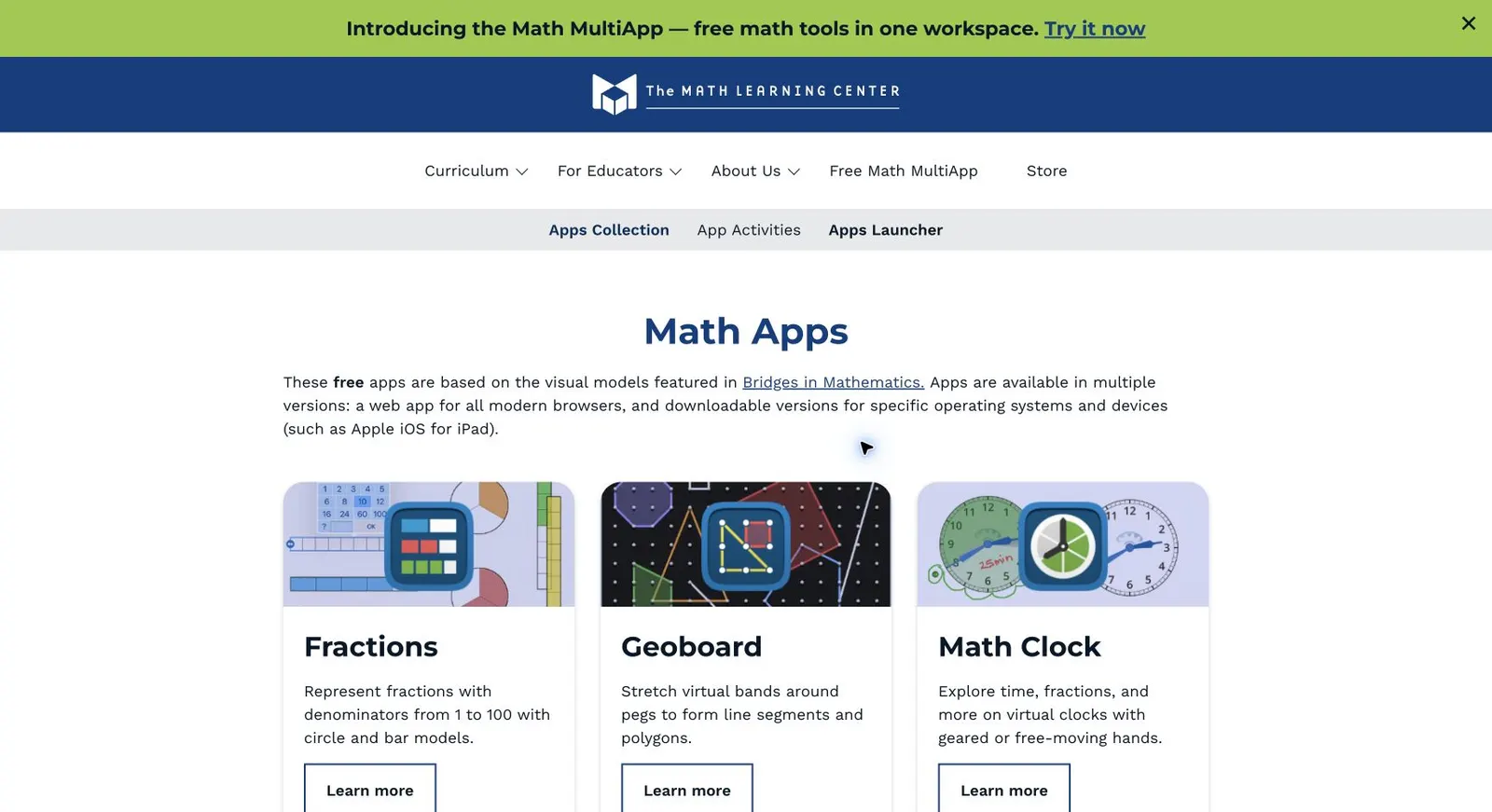
Math Learning Center’s Pattern Shapes is a useful first choice when your child wants to move and rotate ready-made pieces without cutting them. NRICH’s tessellation collection provides questions to investigate after the child has made a small patch. Choose the physical version if dragging pieces distracts from noticing corners; choose the virtual shapes if imprecise paper edges make an otherwise good pattern look wrong.
Resources worth comparing
Make the shortlist fit your family.
This guide draws on directory reviews. Age fit, costs, sign-in, advertising, privacy, and accessibility are unconfirmed for individual activities. Check the provider’s current information and preview the activity with your child’s device.