Mix and record secondary paint colors
A printed color wheel can suggest what might happen, but your child’s own paints provide the evidence. Make a small chart of paired mixtures, keeping the starting colors visible and noting roughly how much of each went into the mix. Unexpected dull or uneven colors can become questions about materials and proportions, rather than proof that the child mixed incorrectly.
Why these resources fit
National Gallery of Art’s Elements of Art: Color explains primary and secondary paint colors and includes a worksheet. Getty Education’s Art and Science of Impressionist Color offers a broader investigation of color combinations with transparent materials and artworks. Choose the Gallery reference for vocabulary close to the paint chart. Use Getty for an optional comparison, keeping its acetate and tissue-paper method separate from the paint experiment; different materials do not produce identical mixtures.
Resources worth comparing
National Gallery of Art Educational Resources
Use Elements of Art: Color for the traditional paint-color vocabulary and an optional color worksheet after making your own swatches.
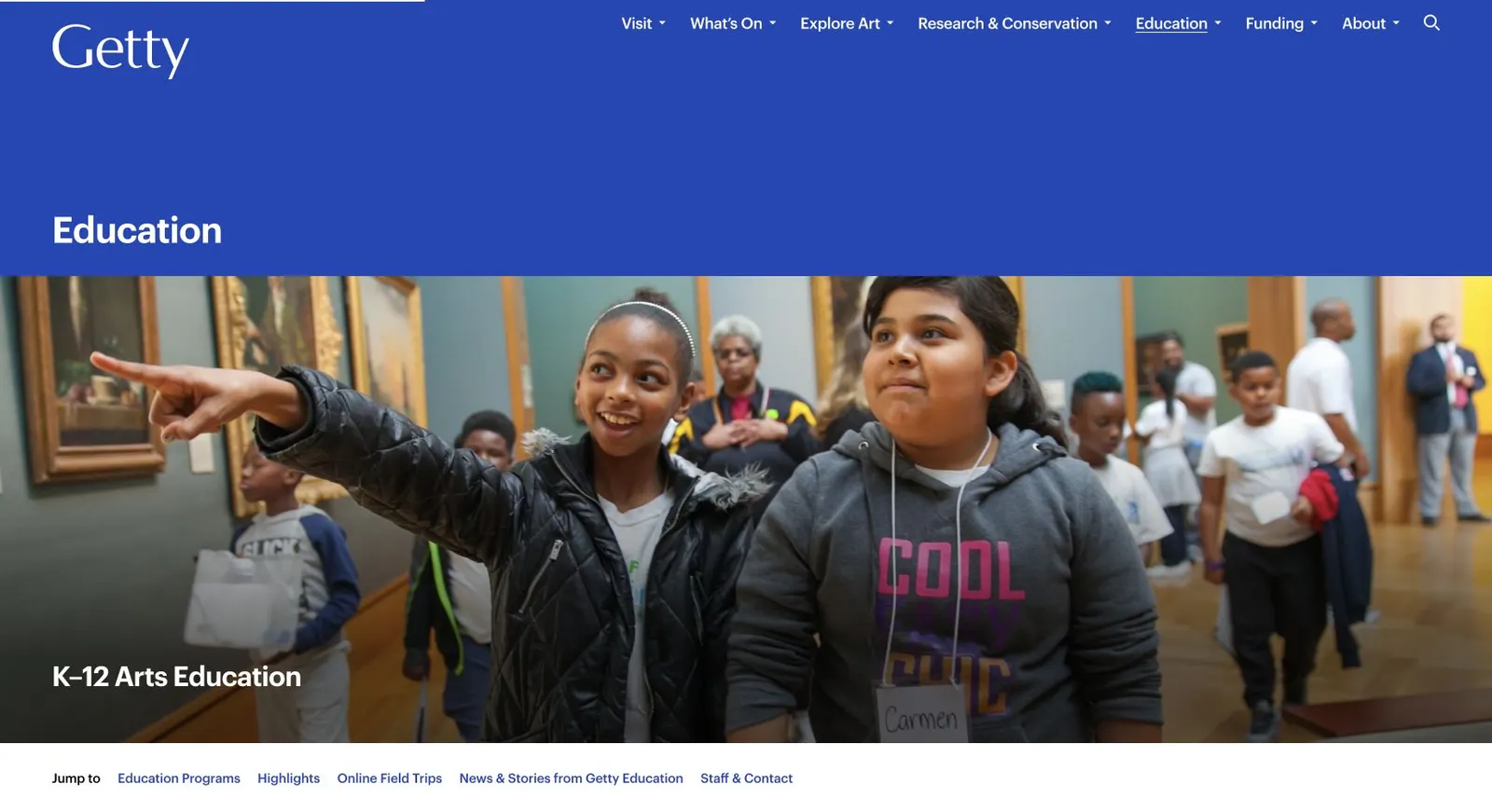
Getty Education
Preview The Art and Science of Impressionist Color as a separate extension using artworks and transparent color materials.
Make the shortlist fit your family.
This guide draws on directory reviews. Age fit, costs, sign-in, advertising, privacy, and accessibility are unconfirmed for individual activities. Check the provider’s current information and preview the activity with your child’s device.