Compare time-zone offsets for the same moment
Two clocks can show different hours while describing the same moment. Help your child keep that idea separate from how long an event lasts. Begin with explicitly hypothetical UTC offsets and write the date alongside each clock reading. Using labeled practice zones avoids turning a changing city rule into a memorized fact, while still giving families a useful way to reason about a call across time zones.
Why these resources fit
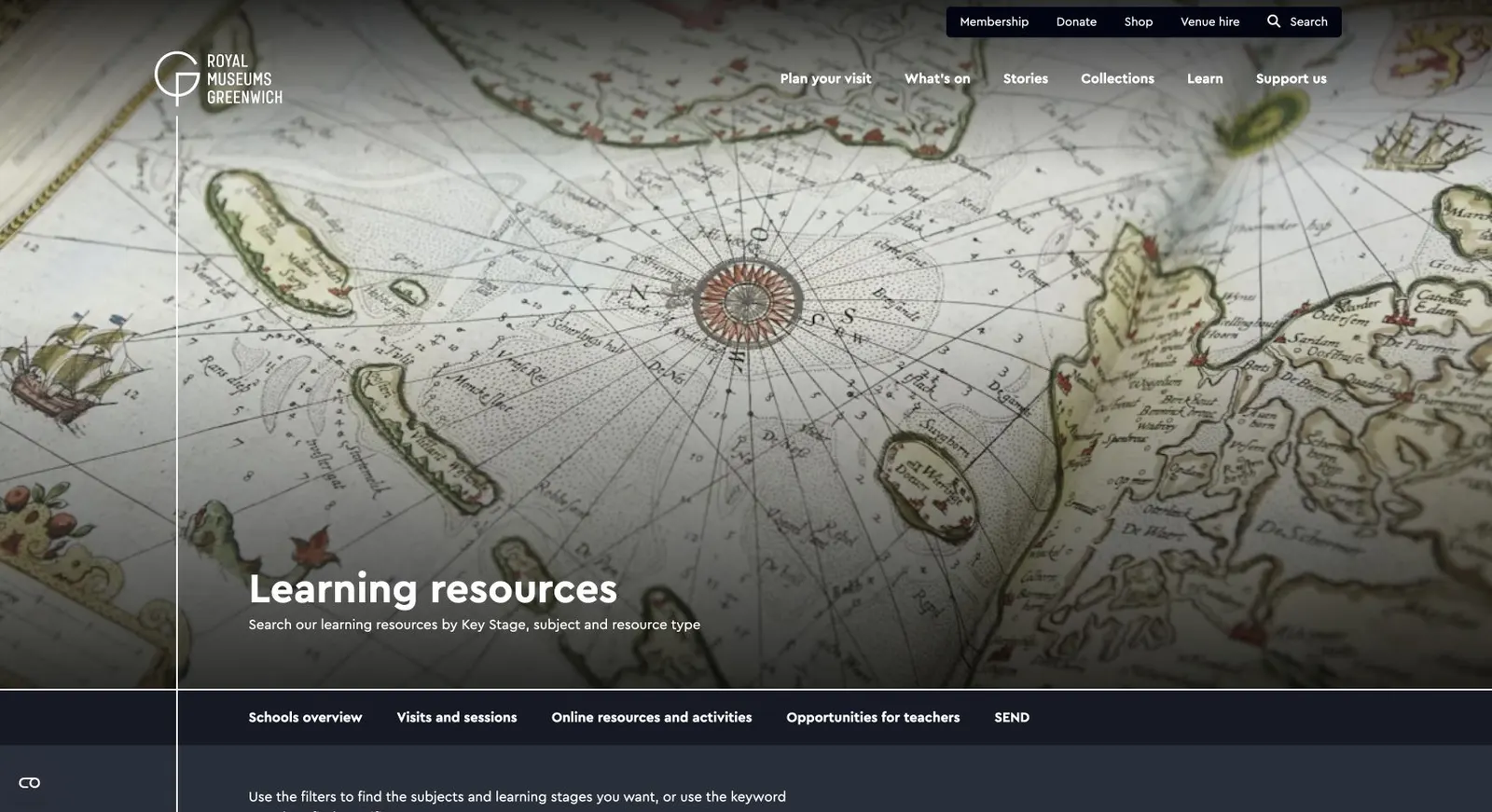
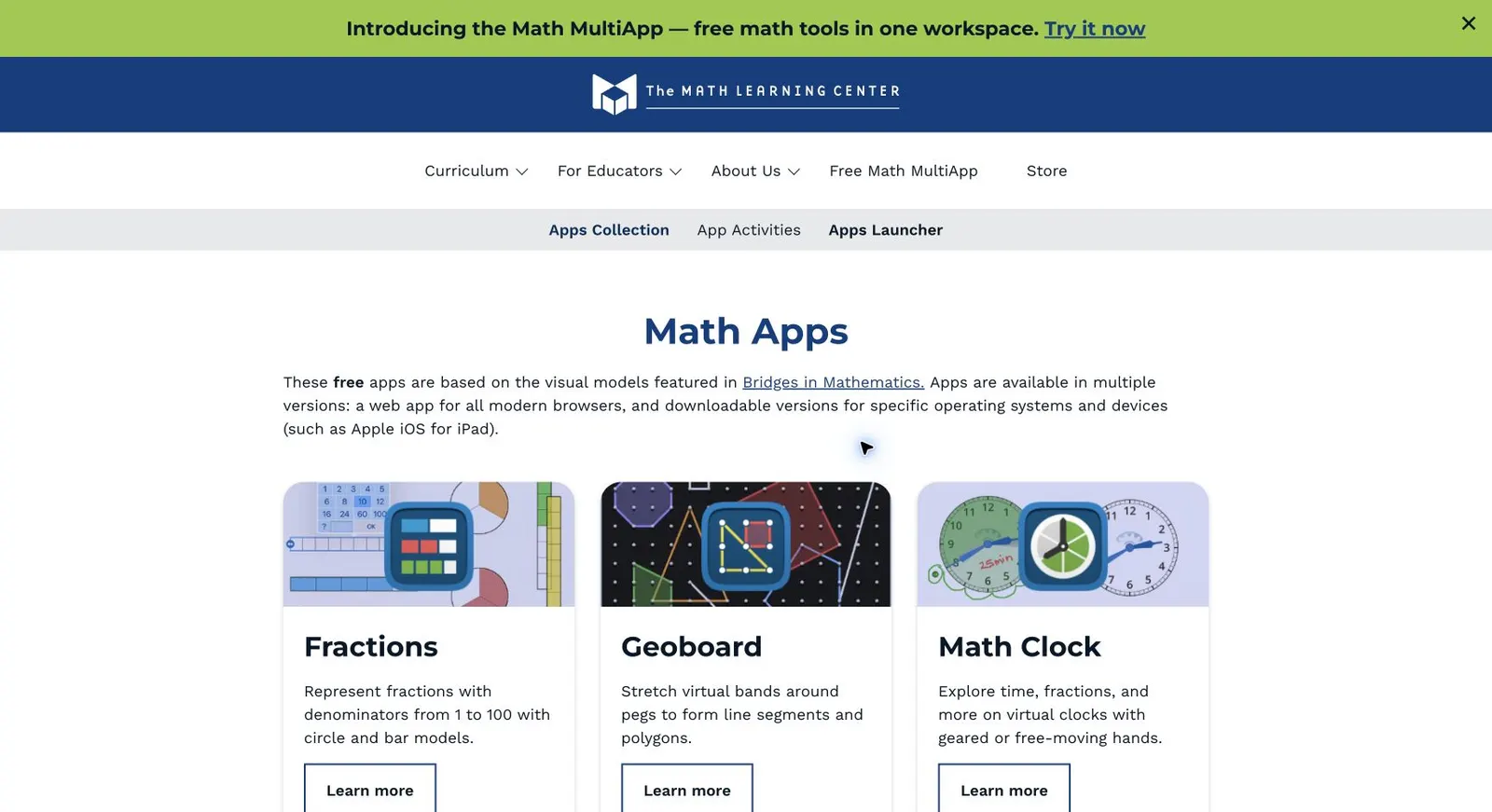
Royal Museums Greenwich’s Communicating Time worksheet supplies historical context about longitude and time coordination. Its museum-visit prompts use longitude-based local time, so keep them separate from modern civil offsets. The Math Learning Center’s Math Clock offers an optional visual tool for representing a calculated clock reading. Choose the museum material for background discussion and the clock for checking hand positions after doing the offset arithmetic on paper. Our invented practice zones are not live city times or a current daylight-saving schedule.
Resources worth comparing
Royal Museums Greenwich Learning Resources
Use Communicating Time for historical longitude context; its museum-visit worksheet is not a table of current civil time-zone offsets.
Math Learning Center Apps
Open Math Clock to represent a calculated local clock reading, keeping the date and morning-or-evening label on your paper record.
Make the shortlist fit your family.
This guide draws on directory reviews. Age fit, costs, sign-in, advertising, privacy, and accessibility are unconfirmed for individual activities. Check the provider’s current information and preview the activity with your child’s device.