Compare dye spreading in cool and warm water
A drop of color can make otherwise invisible movement in water easier to discuss. Compare cool and comfortably warm water, record what the color actually does, and resist naming every moving plume diffusion. This is a small observation exercise with an important limit: water currents and the drop's own motion can spread color too. A parent can help a child keep those observations separate from the explanation offered by a particle model.

Why these resources fit
Science Sparks introduces diffusion with color spreading in water. PhET's Diffusion simulation supplies a separate gas-particle model where temperature and particle settings can be explored. Choose the physical setup for observing streaks and mixing; choose the model for discussing random particle motion. The simulation is not a replica of a liquid cup. Comparing the two resources helps children see why an appealing demonstration does not isolate every cause of a result.
Resources worth comparing
Science Sparks
Read Diffusion Demonstration as an introductory example, then discuss which visible movements in your cups might also involve currents.
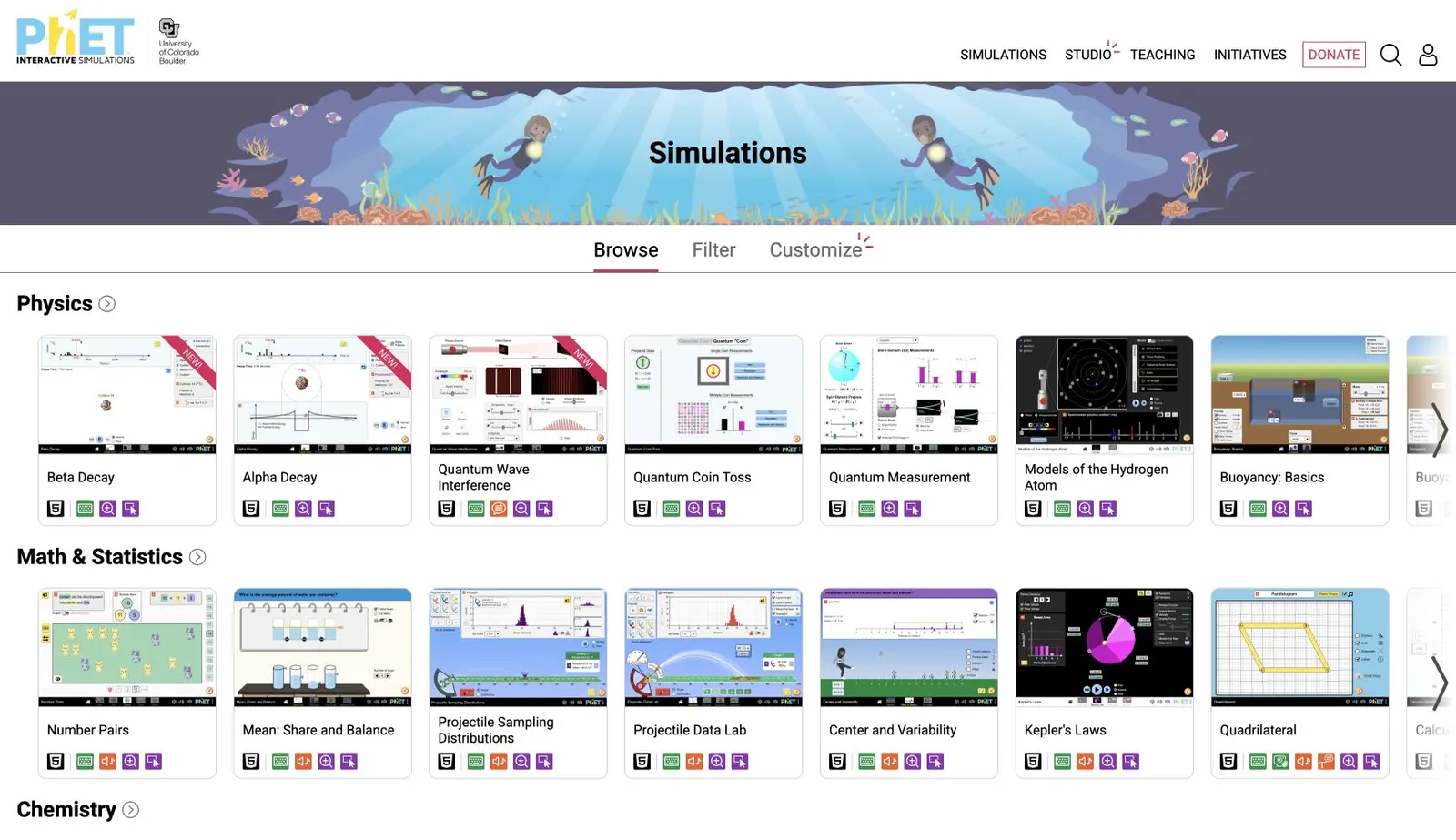
PhET Interactive Simulations
Choose Diffusion for a separate gas-particle model and compare temperature settings after keeping other model settings consistent.
Make the shortlist fit your family.
This guide draws on directory reviews. Age fit, costs, sign-in, advertising, privacy, and accessibility are unconfirmed for individual activities. Check the provider’s current information and preview the activity with your child’s device.