Comparison guide · hands-on science

Hands-on science resources for kids: find a way to explore

A strong science resource turns curiosity into an action: notice, build, test, compare, or explain. These three providers open different doors into hands-on learning, from museum experiments to space and museum collections.

3 resources comparedIndependent editorial guideUpdated 2026-11-18
See the practical differences
Hands-on science resources for kids: find a way to explore theme illustrationContext before you choose
The short answer

Start with the child, not the label.

The best starting point depends on the child’s age, interest, independence, and the amount of adult support available today. Use the table to narrow the shortlist, then open the full review and verify the current provider details.

We comparedActivity depthTopic doorwayMaterials and setupAdult follow-up
Quick orientation

Three useful first moves

No universal winner
At a glance

The practical differences

Use this table to narrow the shortlist
ResourceBest forAccess and formatTrade-off
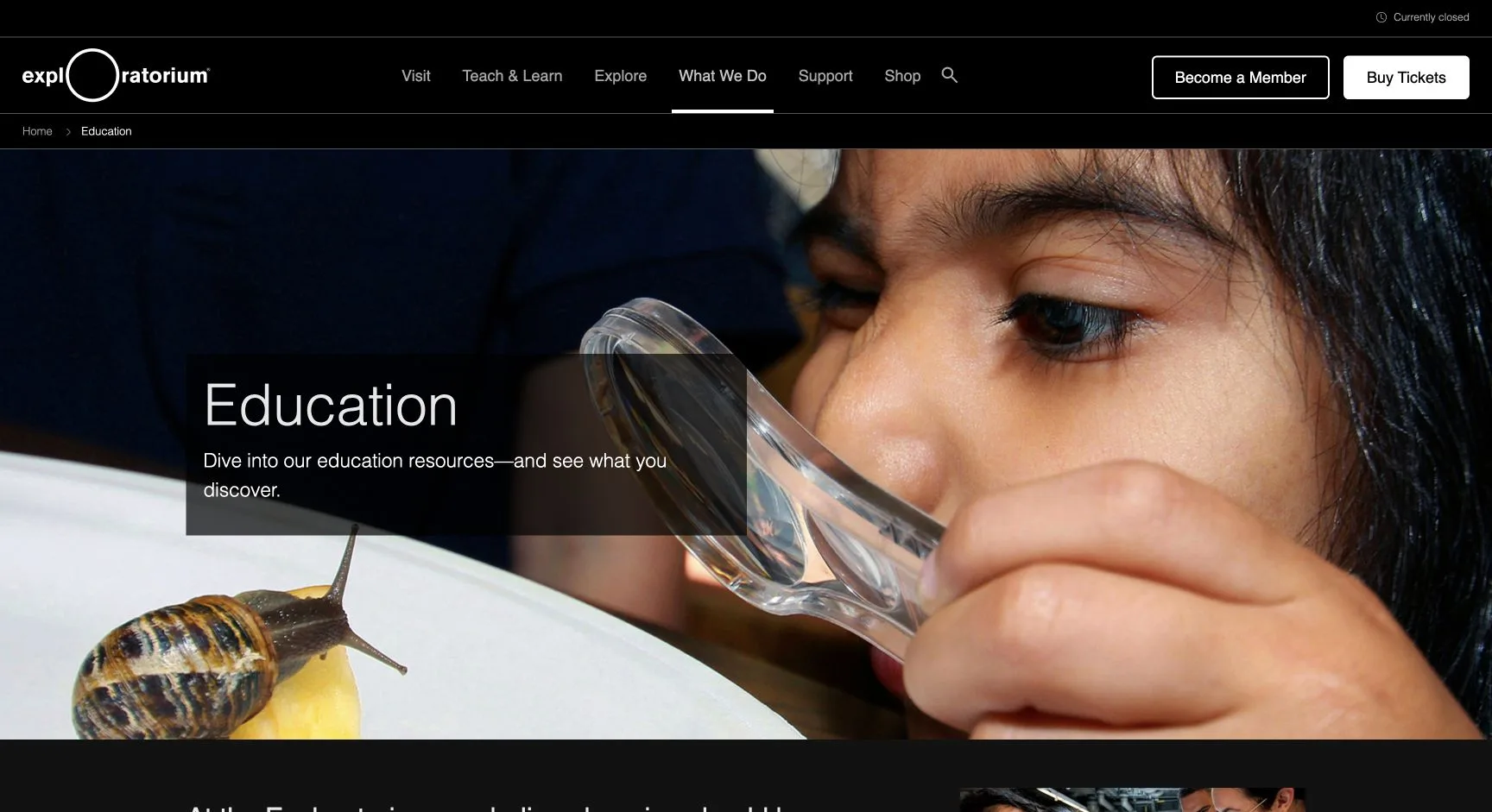
Exploratorium90/100 editorial scoreChildren who want to build, tinker, and investigate how something works.Ages 4–18; Free with paid options; website, physical-place, downloadable; EnglishSome activities need household materials and an adult who can help with setup.
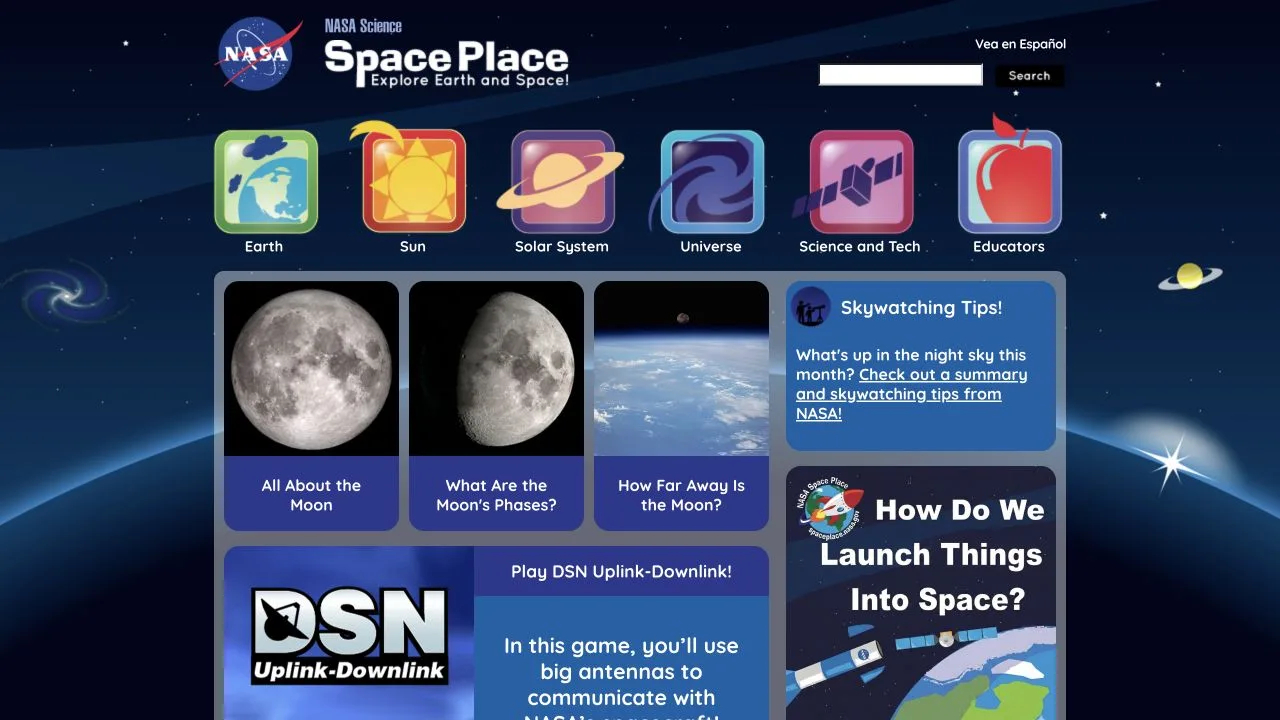
NASA Space Place95/100 editorial scoreSpace and Earth questions with accessible articles, games, crafts, and activities.Ages 5–14; Free; website, downloadable; English, SpanishThe broad range means an adult may need to select a good first page for a younger child.
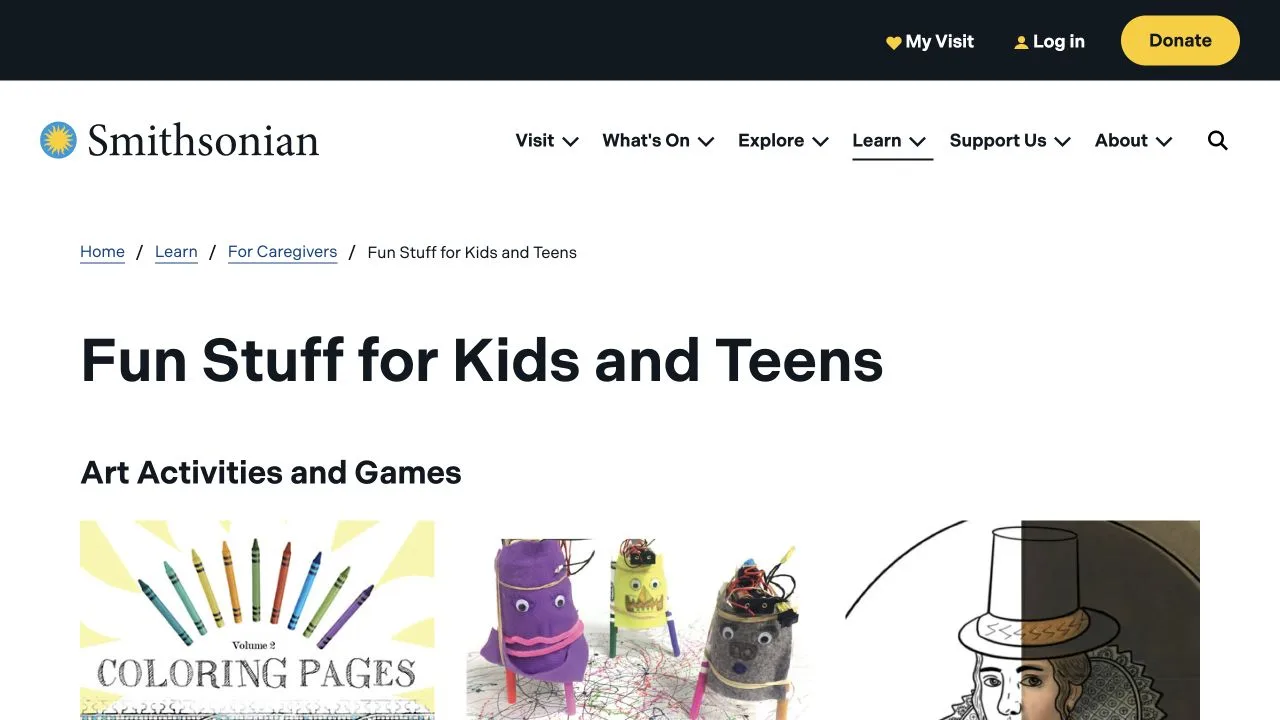
Smithsonian Kids91/100 editorial scoreMuseum-backed browsing across science, nature, history, art, and space.Ages 6–14; Free; website, physical-place, downloadable; EnglishBrowsing can spark many questions without always leading to one complete experiment.
Screenshot of ExploratoriumOpen full review ↗
Science90/100

Exploratorium

Choose it when the child is ready to make an observation, change a condition, and discuss what happened.

Best fit: Children who want to build, tinker, and investigate how something works.

Worth weighing: Some activities need household materials and an adult who can help with setup.

Editorial note: The Exploratorium treats science as something to figure out by observing, building, changing one thing, and noticing what follows. Its online library includes Science Snacks, tinkering, videos, and teaching tools, while the museum gives families a physical place to continue the same kind of inquiry.

Screenshot of NASA Space PlaceOpen full review ↗
Science95/100

NASA Space Place

Choose it when a child arrives with a question about planets, weather, Earth systems, or the wider universe.

Best fit: Space and Earth questions with accessible articles, games, crafts, and activities.

Worth weighing: The broad range means an adult may need to select a good first page for a younger child.

Editorial note: NASA Space Place turns space and Earth science into short articles, games, activities, and visual explanations. It works particularly well when a child arrives with one question and wants several ways to explore it, from a quick read to a hands-on follow-up.

Screenshot of Smithsonian KidsOpen full review ↗
History & culture91/100

Smithsonian Kids

Choose it when the child wants to follow an interest trail and an adult can help turn one discovery into a small follow-up.

Best fit: Museum-backed browsing across science, nature, history, art, and space.

Worth weighing: Browsing can spark many questions without always leading to one complete experiment.

Editorial note: Smithsonian Kids is a gateway into museum-backed art, history, science, nature, and space activities. It works best when an adult helps a child choose one question or object, then follows the trail into a game, interactive, family guide, or real museum visit.

For parents and teachers

Make the first session easy to finish.

Preview one activity, check the current age and privacy information, and decide what “done” looks like before a child starts. A useful coding resource should fit the child’s attention, device, language, and context—not only its subject label.

Questions parents ask

Before you choose