Comparison guide · art & creativity

Creative art resources for kids: choose a way to make

Creative resources work best when a child can make a visible choice and see what happens next. This comparison brings together three different entry points: looking closely, following a lesson, and experimenting freely.

3 resources comparedIndependent editorial guideUpdated 2026-11-18
See the practical differences
Creative art resources for kids: choose a way to make theme illustrationContext before you choose
The short answer

Start with the child, not the label.

The best starting point depends on the child’s age, interest, independence, and the amount of adult support available today. Use the table to narrow the shortlist, then open the full review and verify the current provider details.

We comparedKind of makingOpen-ended choiceAge and independenceAdult or teacher support
Quick orientation

Three useful first moves

No universal winner
At a glance

The practical differences

Use this table to narrow the shortlist
ResourceBest forAccess and formatTrade-off
The Met Kids87/100 editorial scoreChildren who want to explore art through museum stories, timelines, and prompts.Ages 7–12; Free; website, physical-place, downloadable; EnglishThe large collection can feel less direct than a single step-by-step project.
Art For Kids Hub86/100 editorial scoreChildren who enjoy clear drawing, painting, craft, and origami demonstrations.Ages 4–14; Free with paid options; website, youtube-channel, android-app, ios-app, downloadable; EnglishA video-led format can encourage copying more than changing the idea.
Chrome Music Lab89/100 editorial scoreChildren who want to experiment with sound, rhythm, melody, and visual patterns.Ages 5+; Free; website; EnglishIt offers playful experiments rather than a sequenced art curriculum.
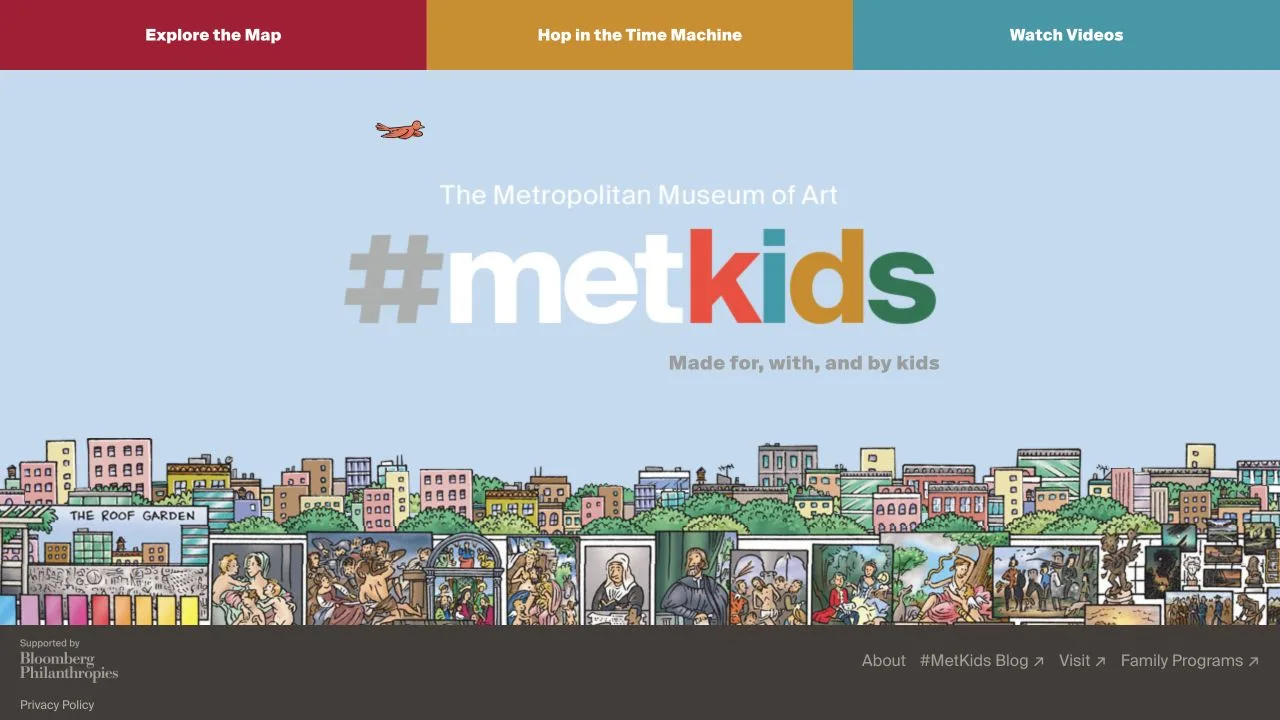
Screenshot of The Met KidsOpen full review ↗
Art & creativity87/100

The Met Kids

Choose it when looking closely at artworks and connecting them to history is part of the creative invitation.

Best fit: Children who want to explore art through museum stories, timelines, and prompts.

Worth weighing: The large collection can feel less direct than a single step-by-step project.

Editorial note: The Met Kids turns the Metropolitan Museum of Art’s collection into a child-facing exploration with videos, timelines, interactive prompts, and art-making ideas. Families can use the online resource, related downloads, or connect it with a visit to the museum for ages 7–12. Adults can choose one artwork or question rather than browsing without a focus. In the directory, it is best approached as a museum resource for 7–12, with art & creativity as the main learning context and creativity, games as useful starting signals.
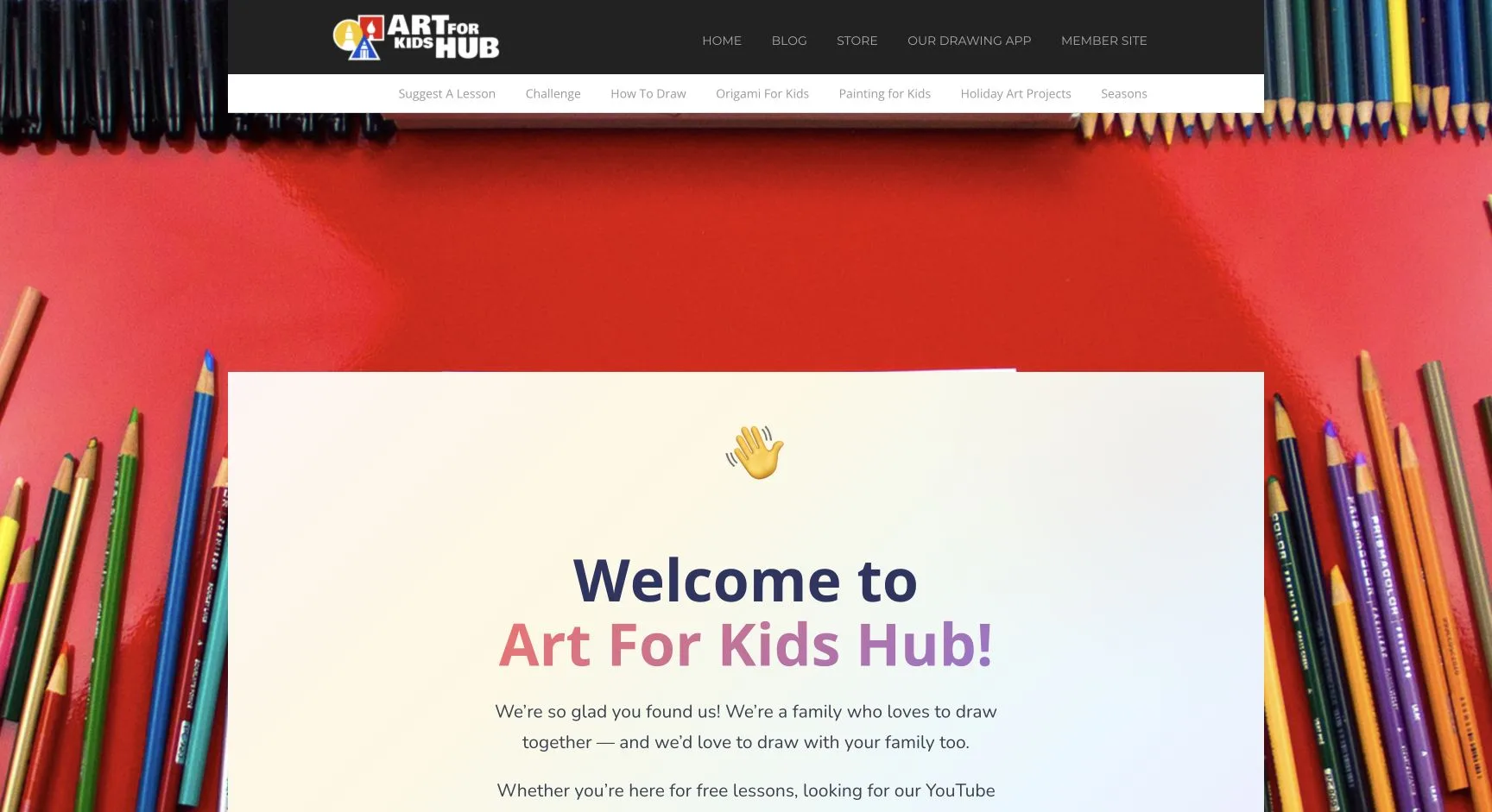
Screenshot of Art For Kids HubOpen full review ↗
Art & creativity86/100

Art For Kids Hub

Choose it when a child wants a friendly model to follow and a finished project within one sitting.

Best fit: Children who enjoy clear drawing, painting, craft, and origami demonstrations.

Worth weighing: A video-led format can encourage copying more than changing the idea.

Editorial note: A family-made library of step-by-step drawing lessons, painting projects, origami, crafts, and art videos for children. It is listed under Art & creativity, Maker & DIY, and Entertainment for ages 4–14. Children and families can use it through a website, a YouTube channel, an Android app, an iOS app, and downloadable resources. In the directory, it is best approached as a video channel for 4–14, with art & creativity and maker & diy as the main learning context and creativity, family learning, teacher resources as useful starting signals.

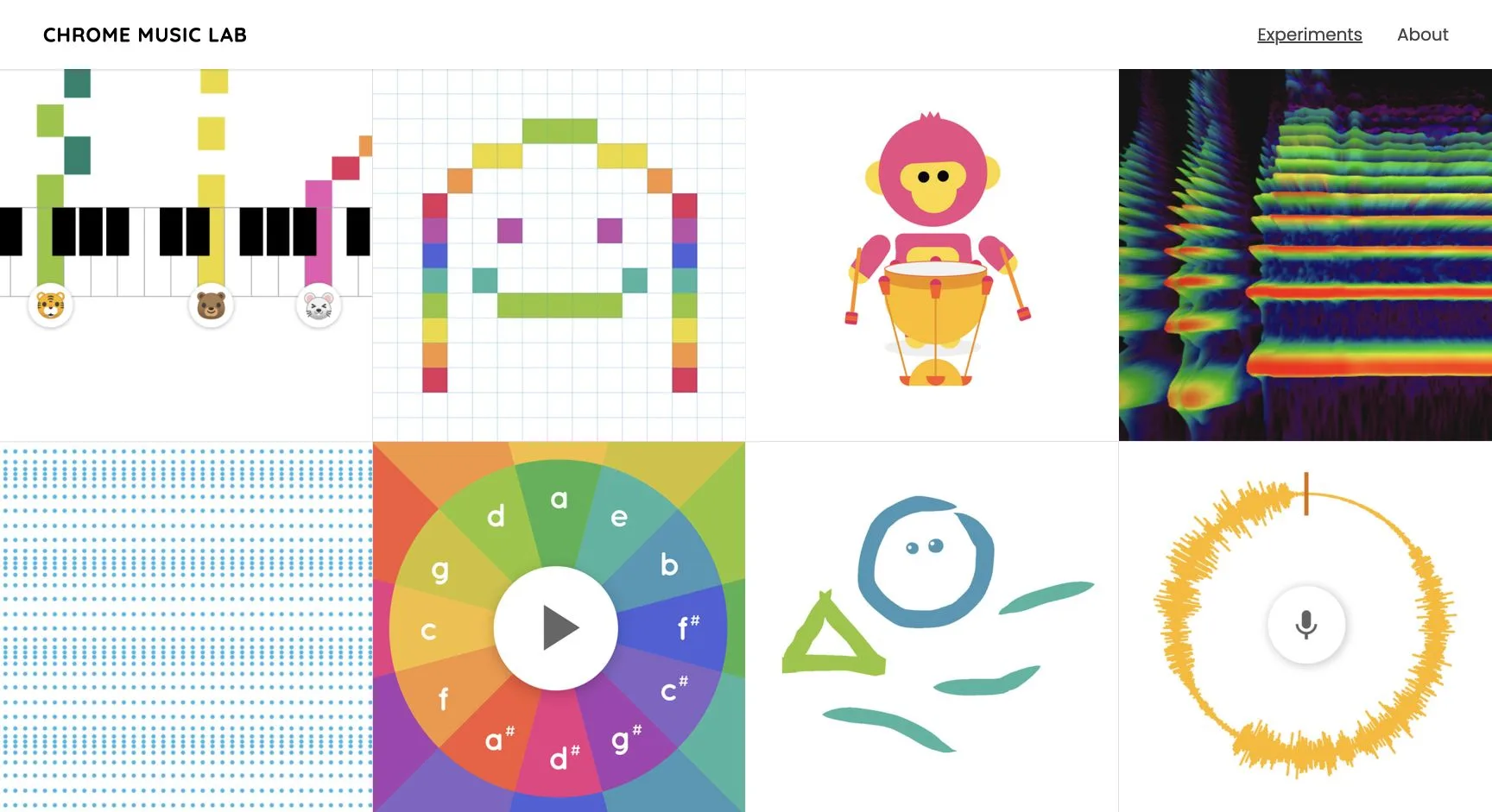
Screenshot of Chrome Music LabOpen full review ↗
Music89/100

Chrome Music Lab

Choose it when the child is ready to explore what happens when they change one variable and listen again.

Best fit: Children who want to experiment with sound, rhythm, melody, and visual patterns.

Worth weighing: It offers playful experiments rather than a sequenced art curriculum.

Editorial note: Chrome Music Lab is a collection of quick, visual music experiments rather than a conventional course. Children can explore rhythm, melody, sound, voice, and patterns with almost no setup, making it a useful invitation to notice how rules shape a creative result.

For parents and teachers

Make the first session easy to finish.

Preview one activity, check the current age and privacy information, and decide what “done” looks like before a child starts. A useful coding resource should fit the child’s attention, device, language, and context—not only its subject label.

Questions parents ask

Before you choose