Science Reading
for kids
Explore 11 trusted science reading resources selected for curious kids, with clear ages, access details, and parent context.
Two useful ways to narrow the directory
This page brings together science resources that also match reading. Each listing keeps its own age range, platform details, languages, links, and parent notes, so you can compare options without losing context.
Explore all science resources →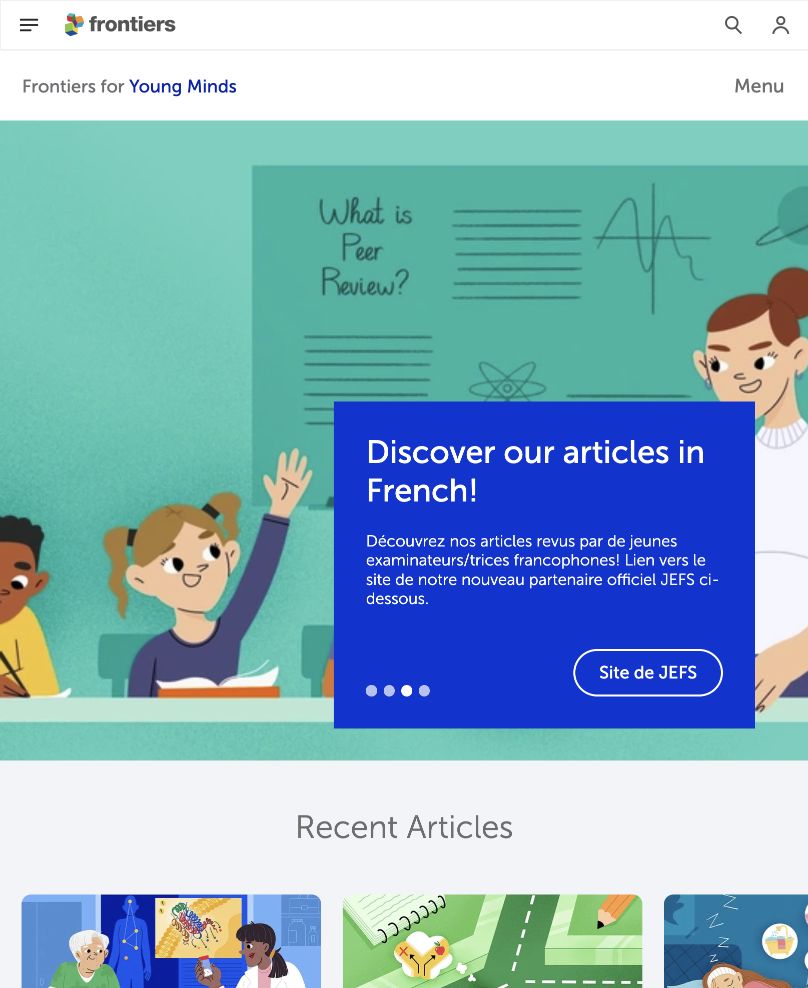
Frontiers for Young Minds
Science articles reviewed by scientists and edited with help from children, covering space, nature, health, and the world around us.
Read the full resource review →More science picks
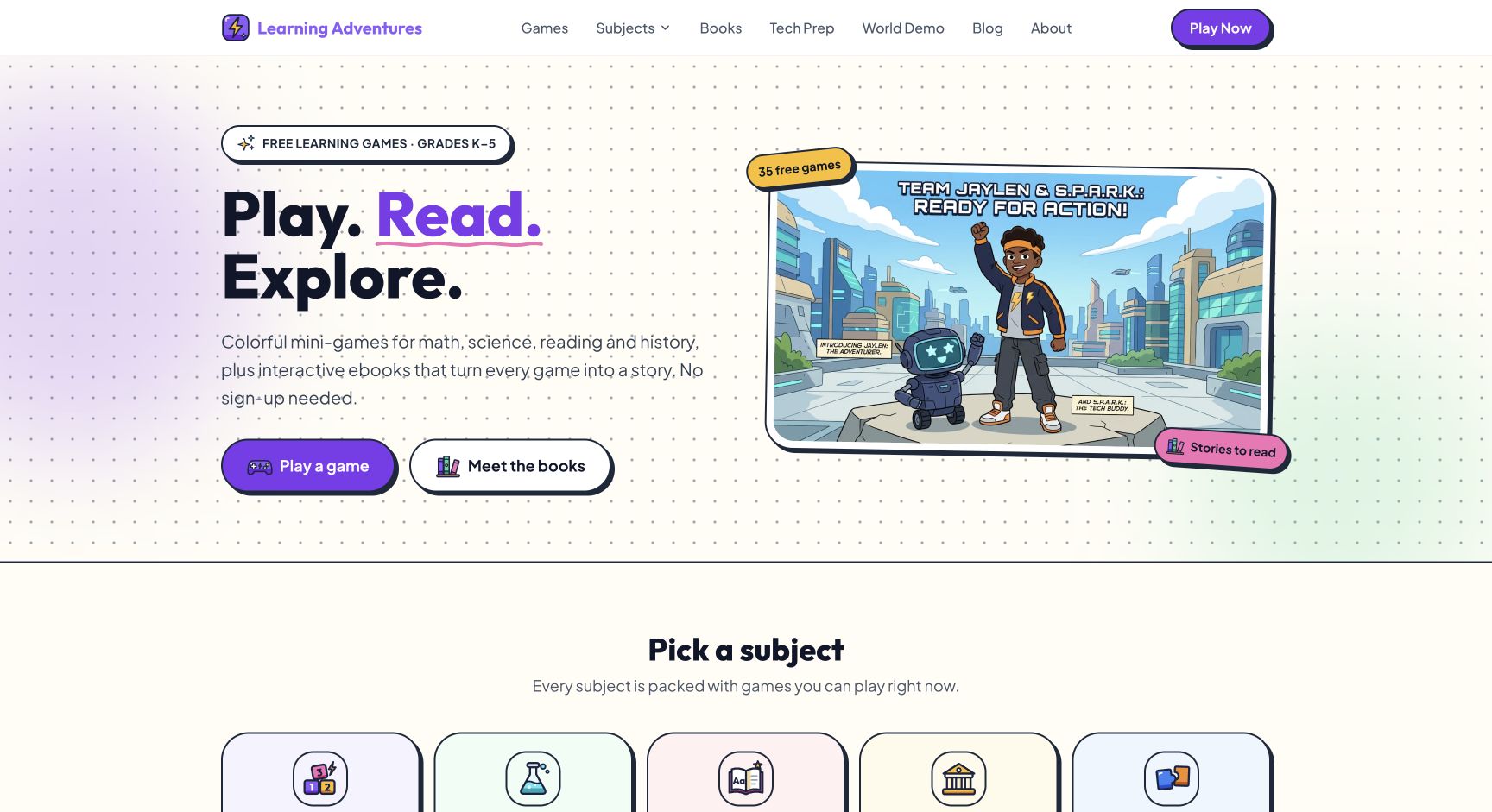
Learning Adventures
Free learning games and interactive ebooks for children in grades K–5, with math, science, reading, and history adventures.
Leap into Science
Open-ended science activities paired with children’s books for young learners and families from The Franklin Institute.
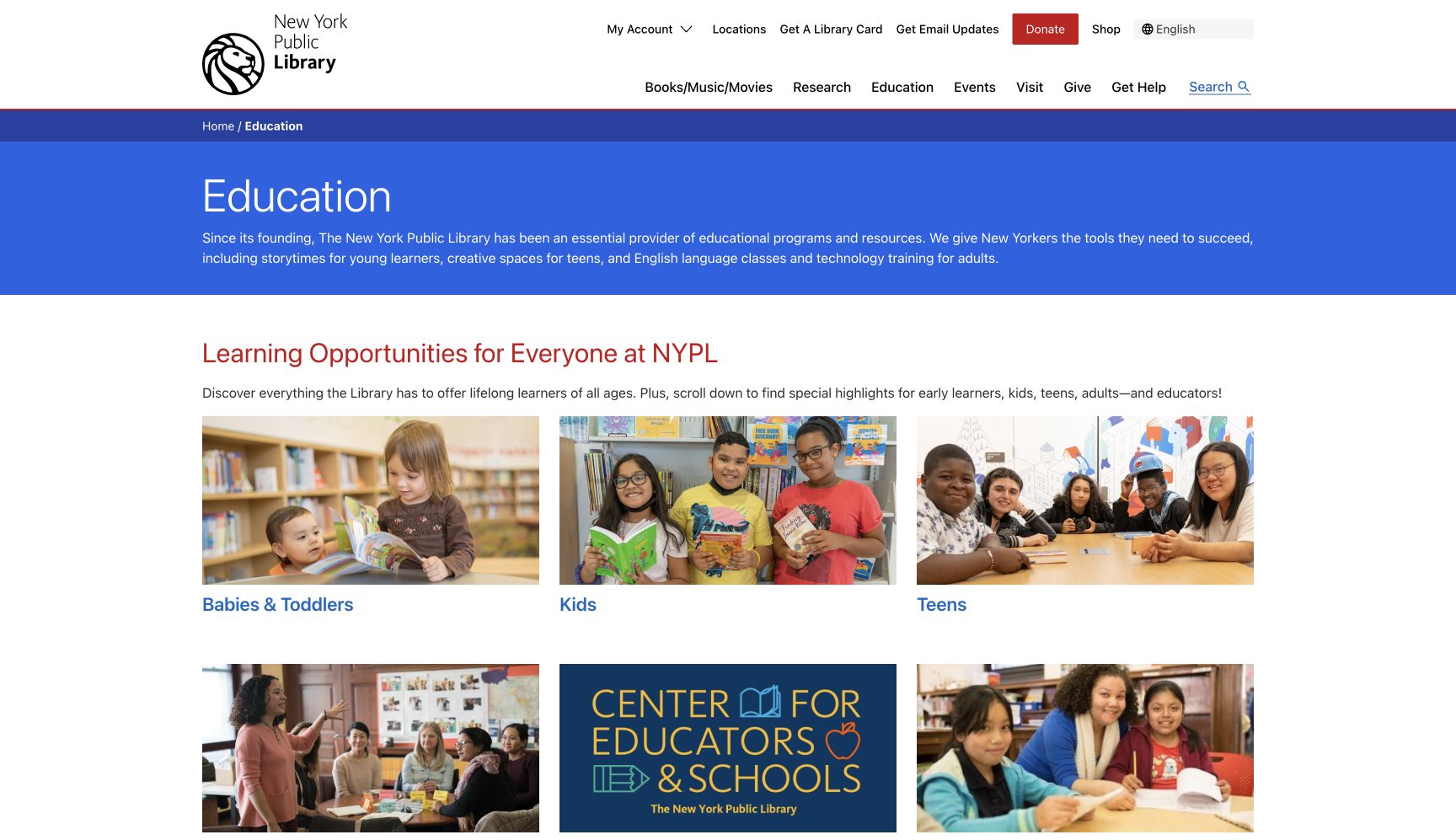
New York Public Library Learning
Storytimes, STEAM kits, reading recommendations, family activities, and free learning programs from NYPL.
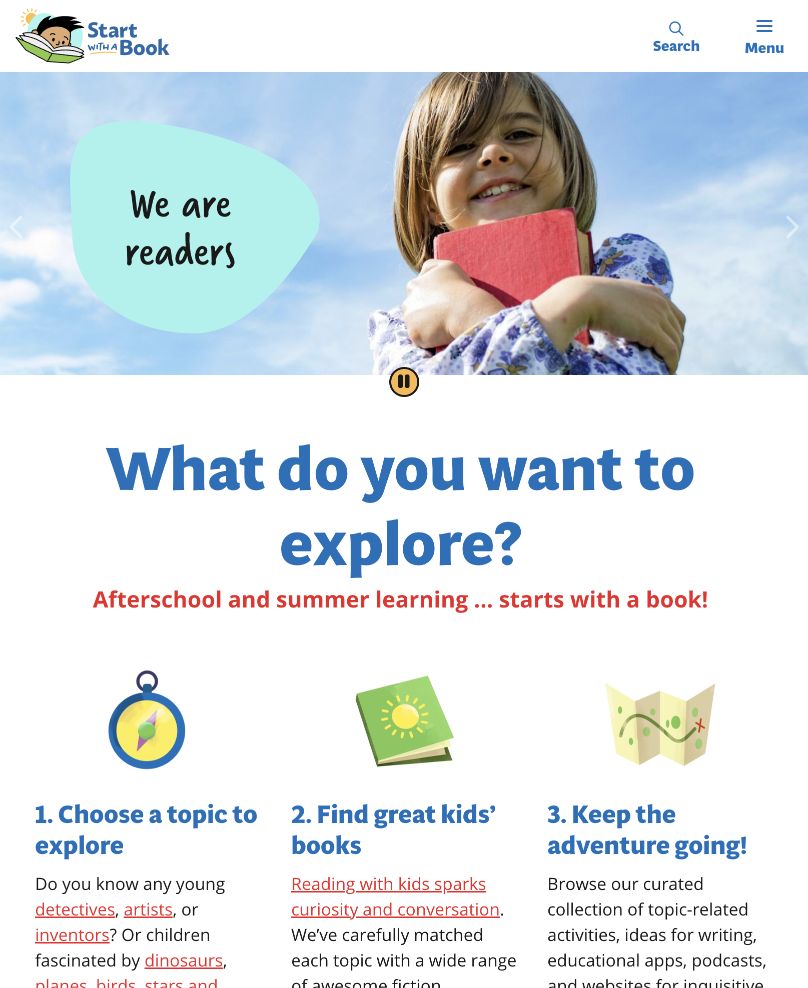
Start with a Book
Book-based activities, reading lists, and learning ideas that help children explore science, arts, history, and the world around them.

Science News Explores
Accessible science news, explainers, experiments, and stories for readers from middle school onward.
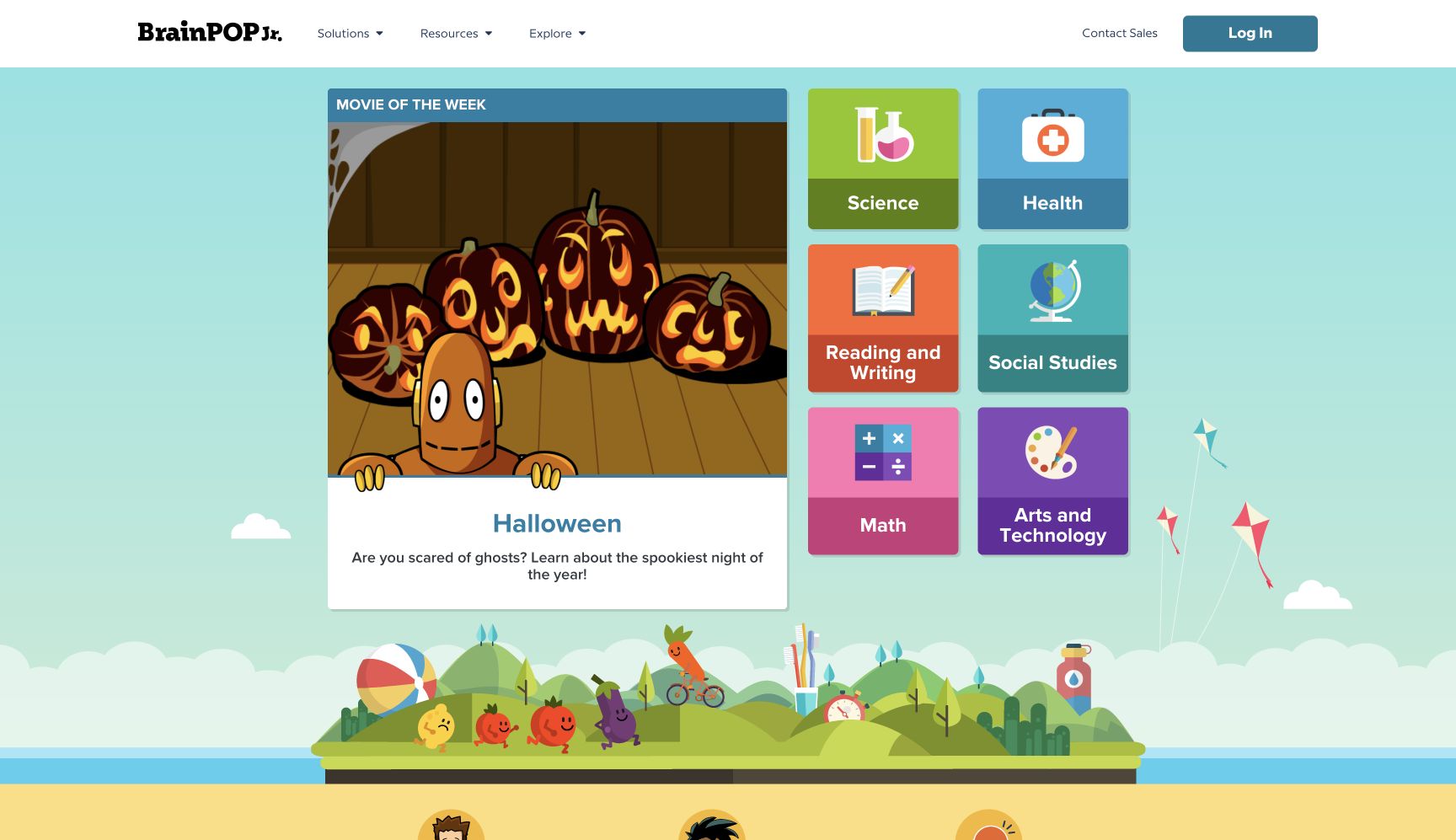
BrainPOP Jr.
Animated lessons, activities, and learning resources for young learners across science, math, reading, health, social studies, and the arts.
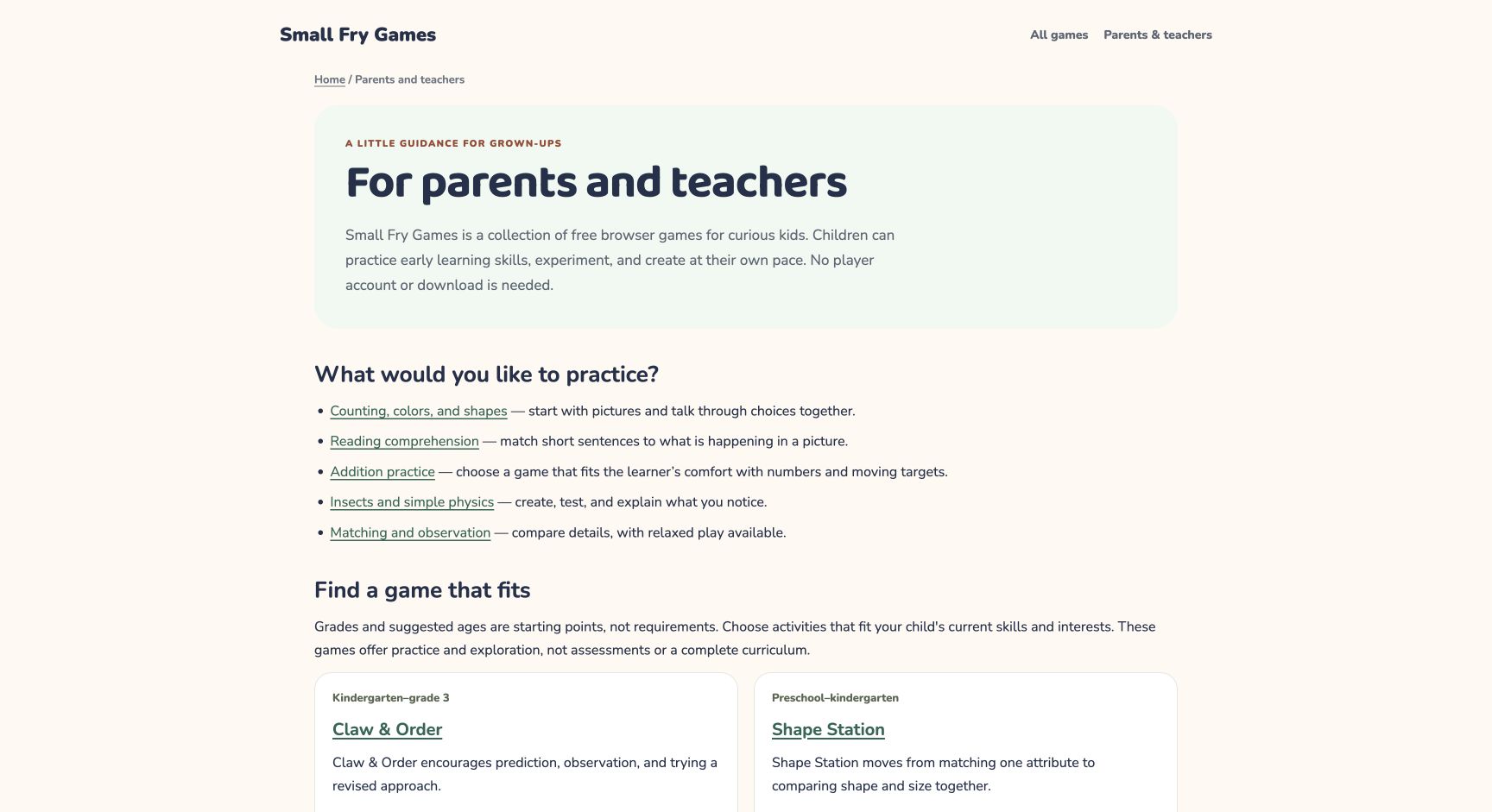
Small Fry Games
Free browser games for curious children, with playful practice in early learning, reading, addition, science, and observation.
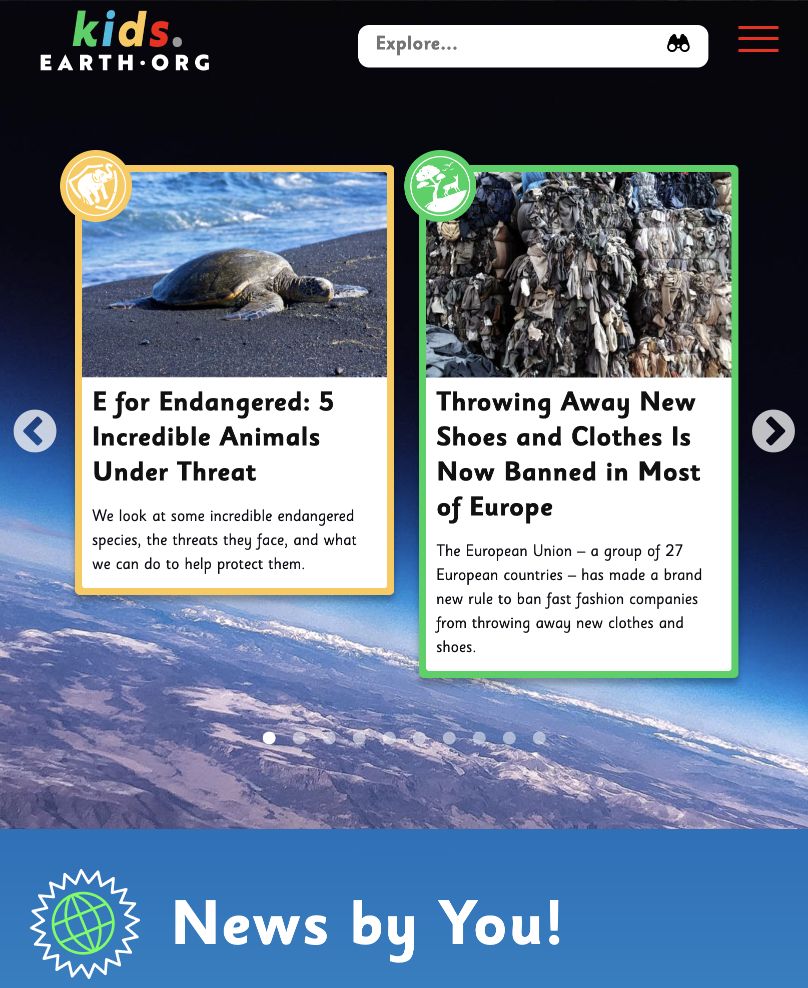
Earth.Org Kids
Environmental news and stories that help children explore endangered animals, climate, sustainability, and the natural world.
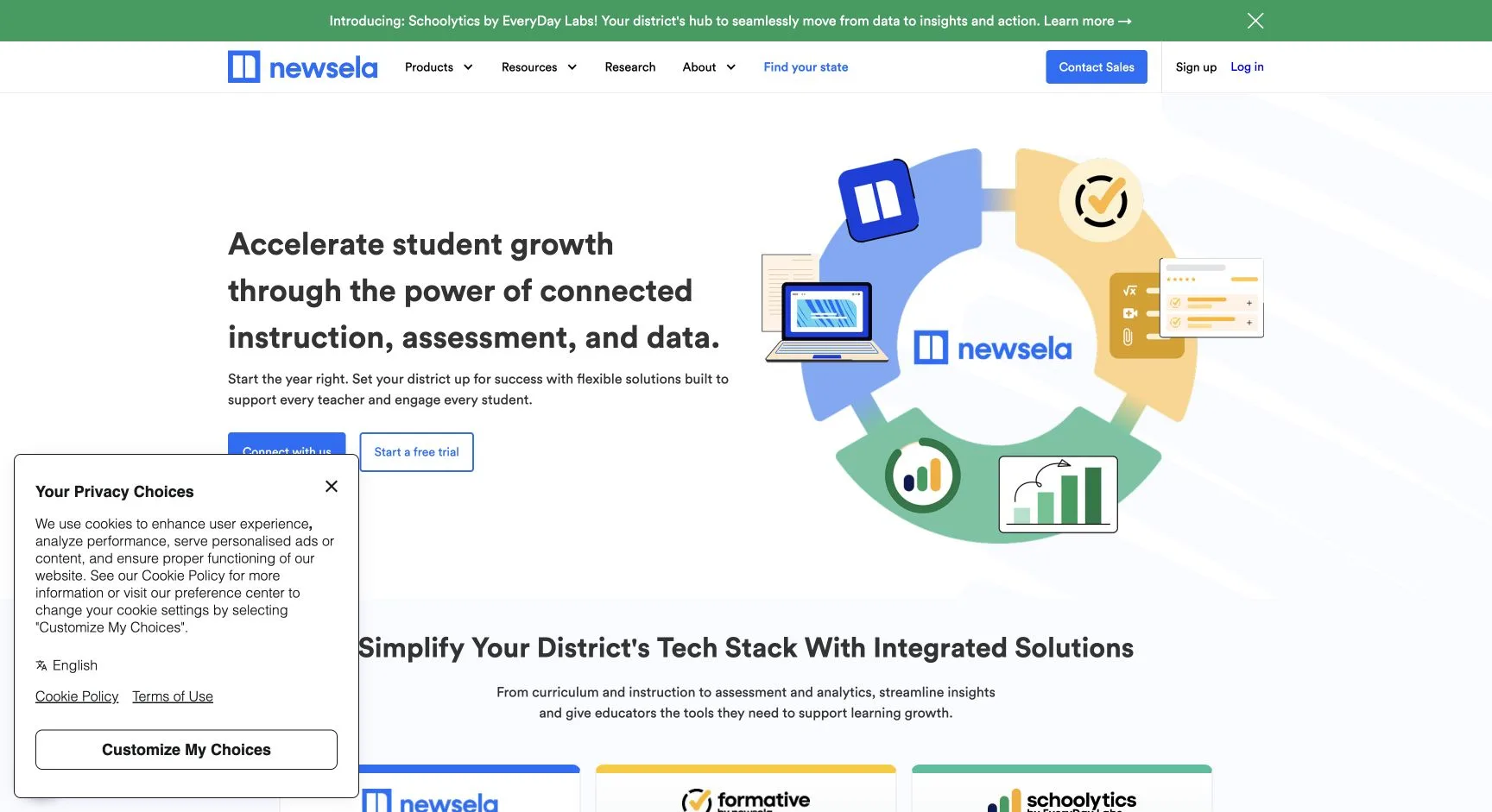
Newsela
Differentiated nonfiction articles and quizzes designed for classroom reading practice.
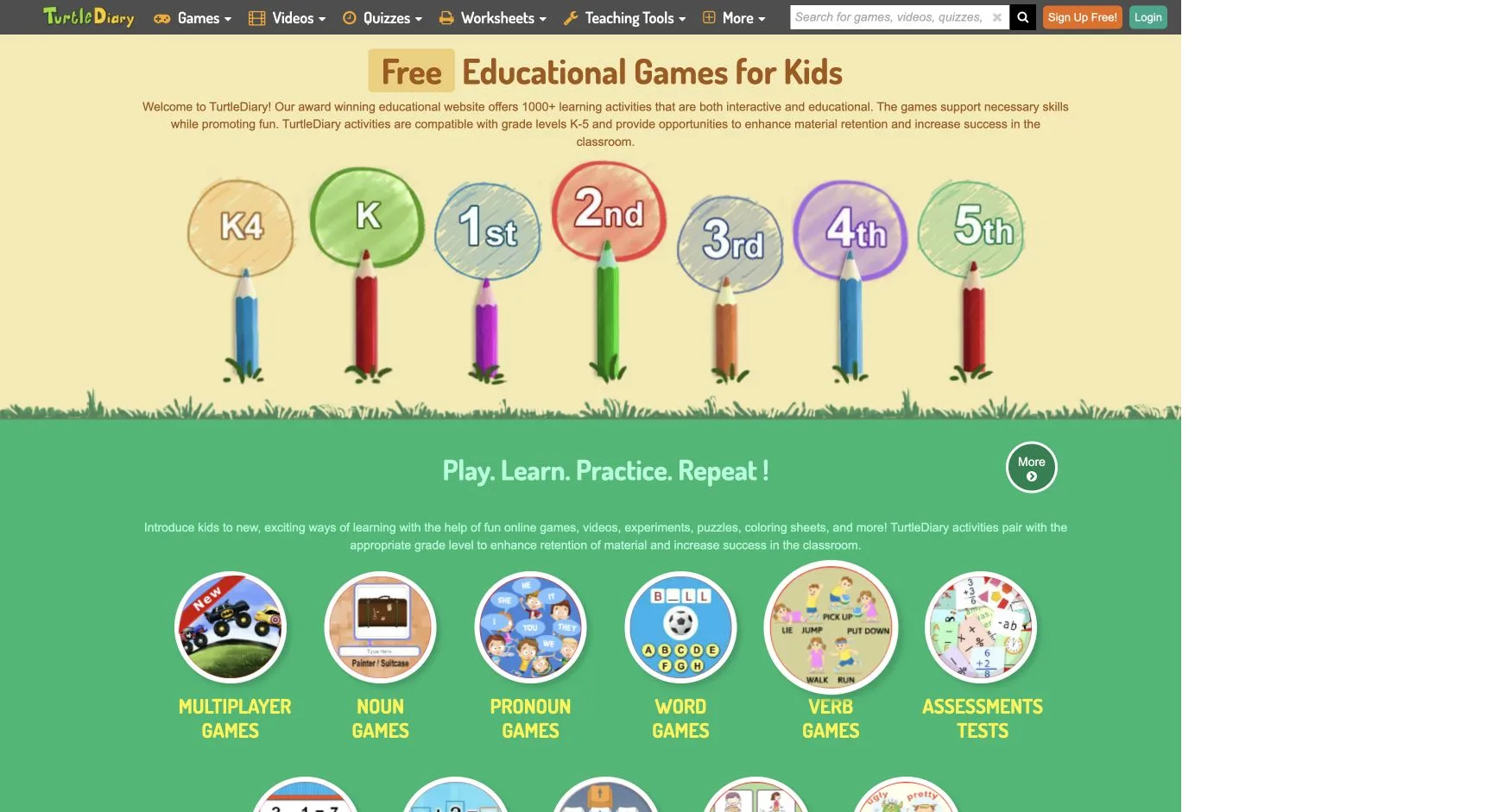
Turtle Diary
Interactive educational games, videos, quizzes, worksheets, experiments, and activities for preschool through grade 5.
Compare with context
Use this collection to find a direction, then open each resource page before sharing it with a child. The individual review shows languages, access formats, tags, age guidance, source links, and notes for grown-ups.
Search the full directory →