Coding Science
for kids
Explore 11 trusted coding science resources selected for curious kids, with clear ages, access details, and parent context.
Two useful ways to narrow the directory
This page brings together coding resources that also match science. Each listing keeps its own age range, platform details, languages, links, and parent notes, so you can compare options without losing context.
Explore all coding resources →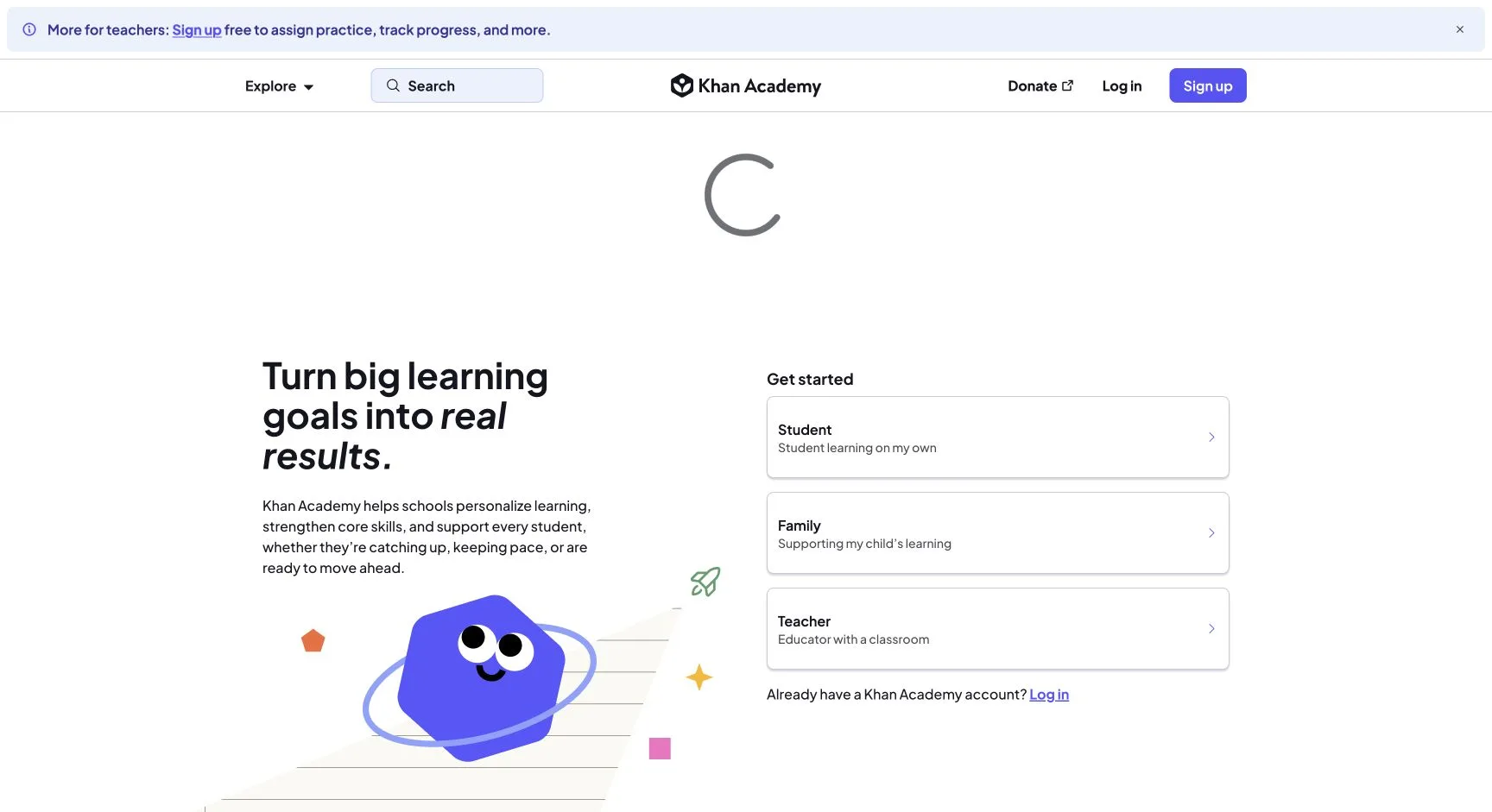
Khan Academy
A broad free learning platform with practice and lessons across math, science, computing, reading, and more.
Read the full resource review →More coding picks
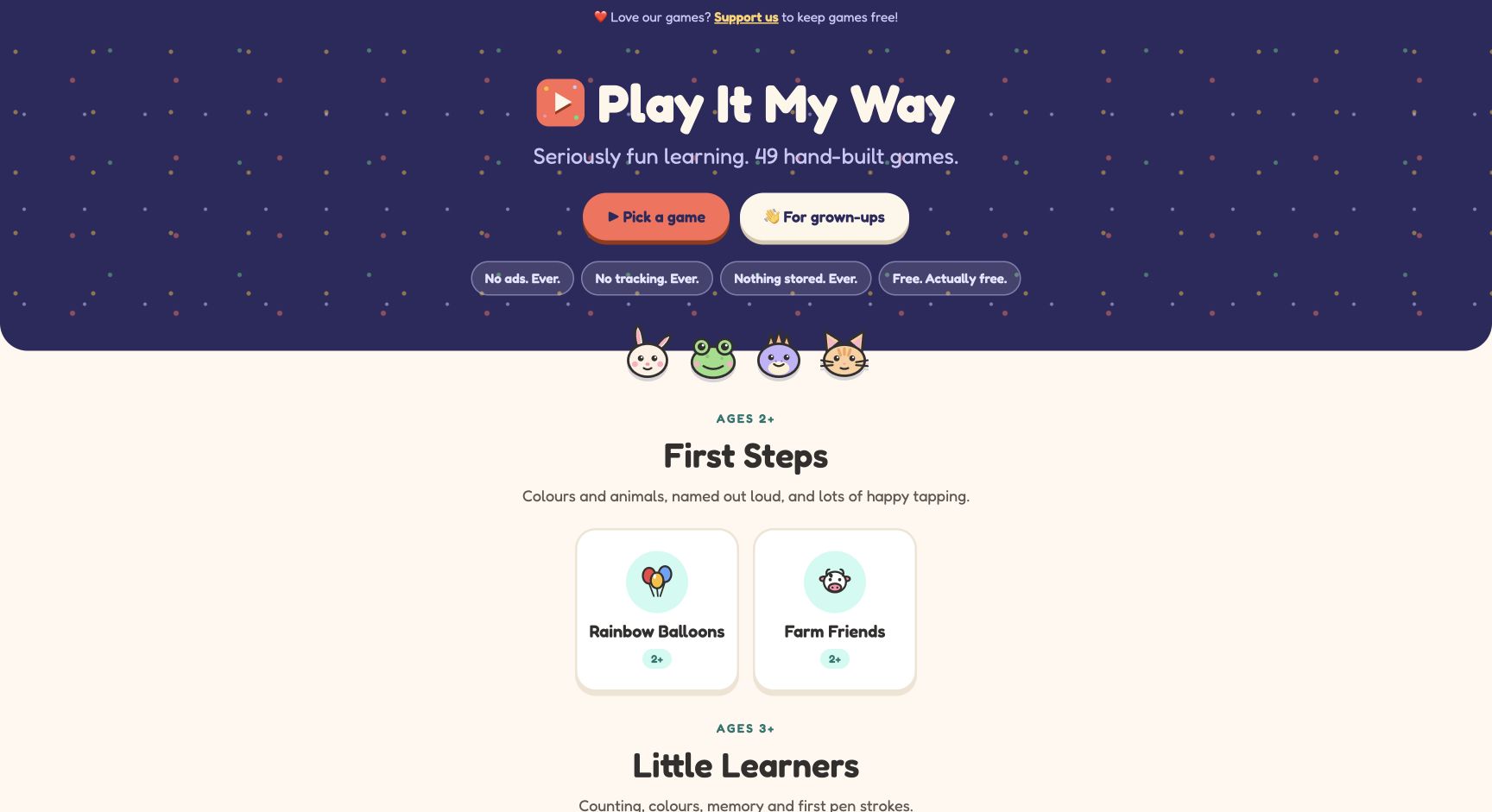
Play It My Way
Forty-nine hand-built learning games for ages 2-14, covering early learning, literacy, math, geography, coding, science, and logic.
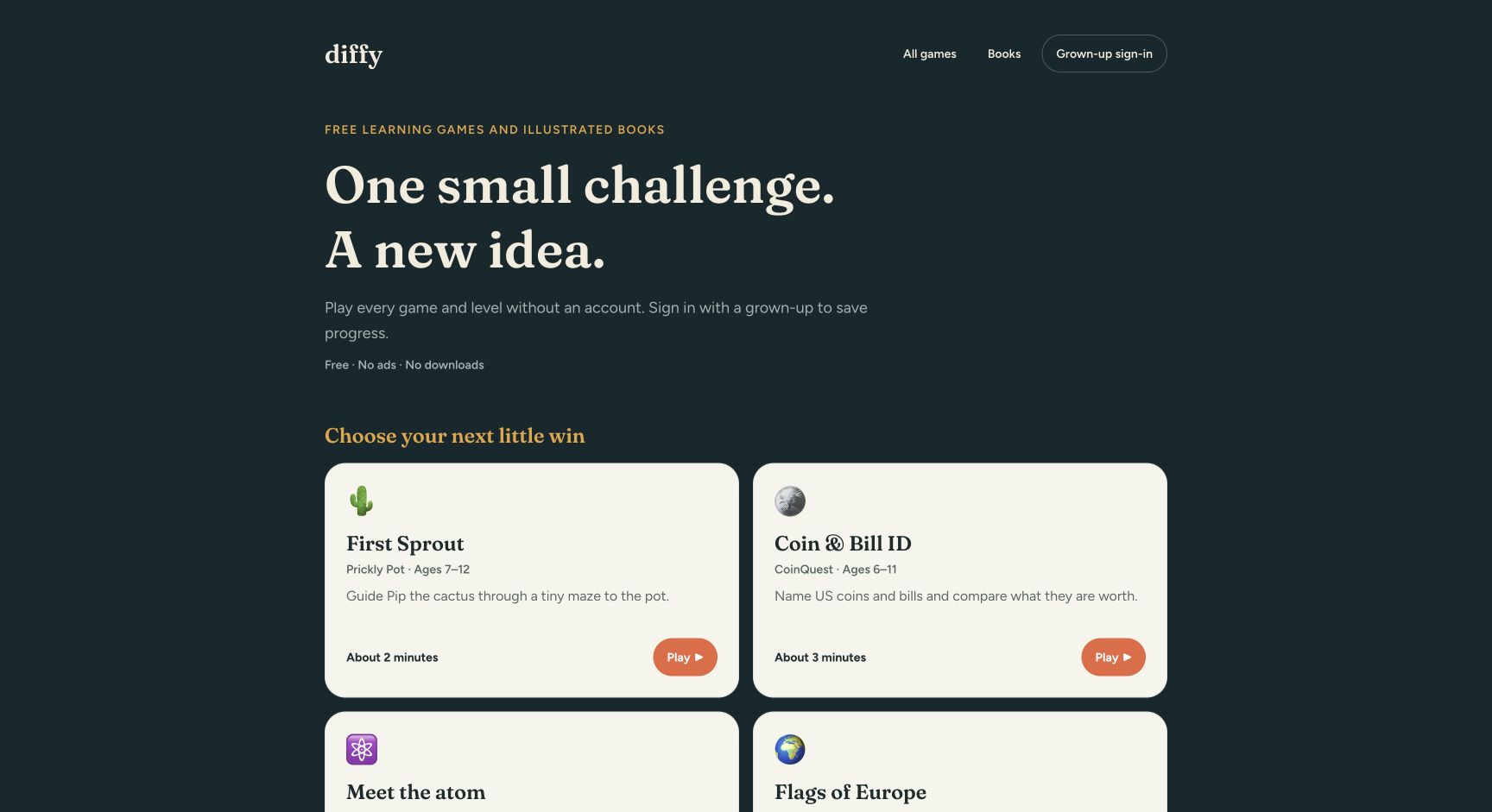
Diffy
A calm, ad-free learning world with short browser games and illustrated books for math, science, coding, geography, and reading.
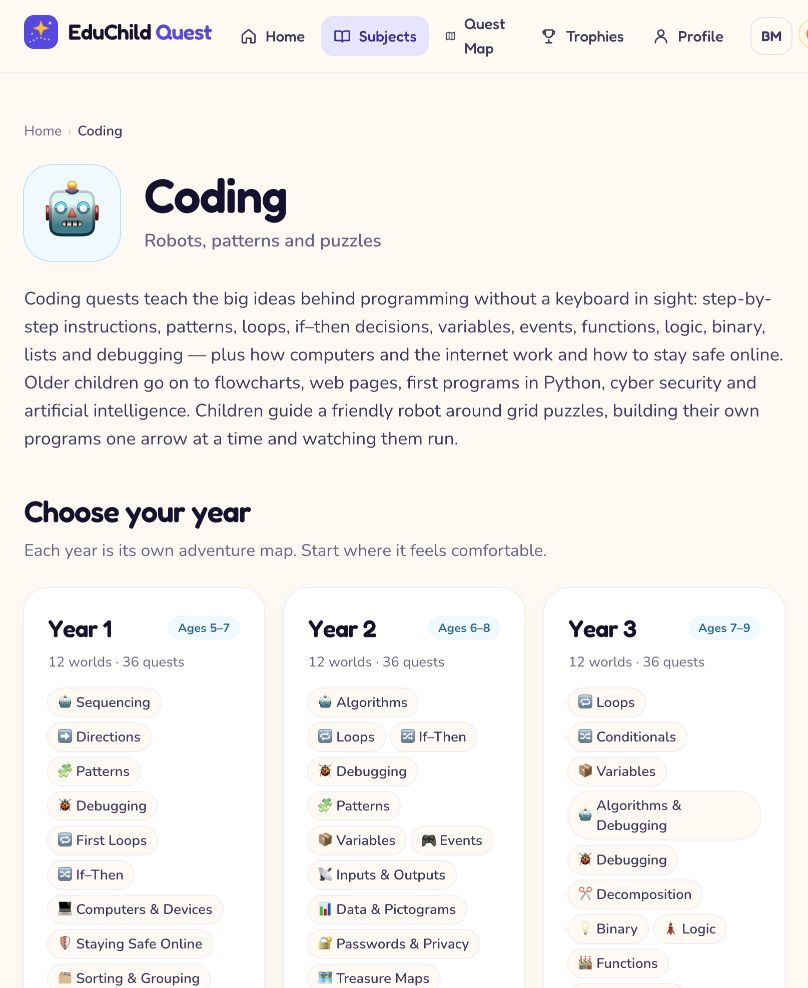
EduChild Quest
A quest-based learning website for children ages 4–12, with coding, math, English, science, and life-skills maps organised by school year.
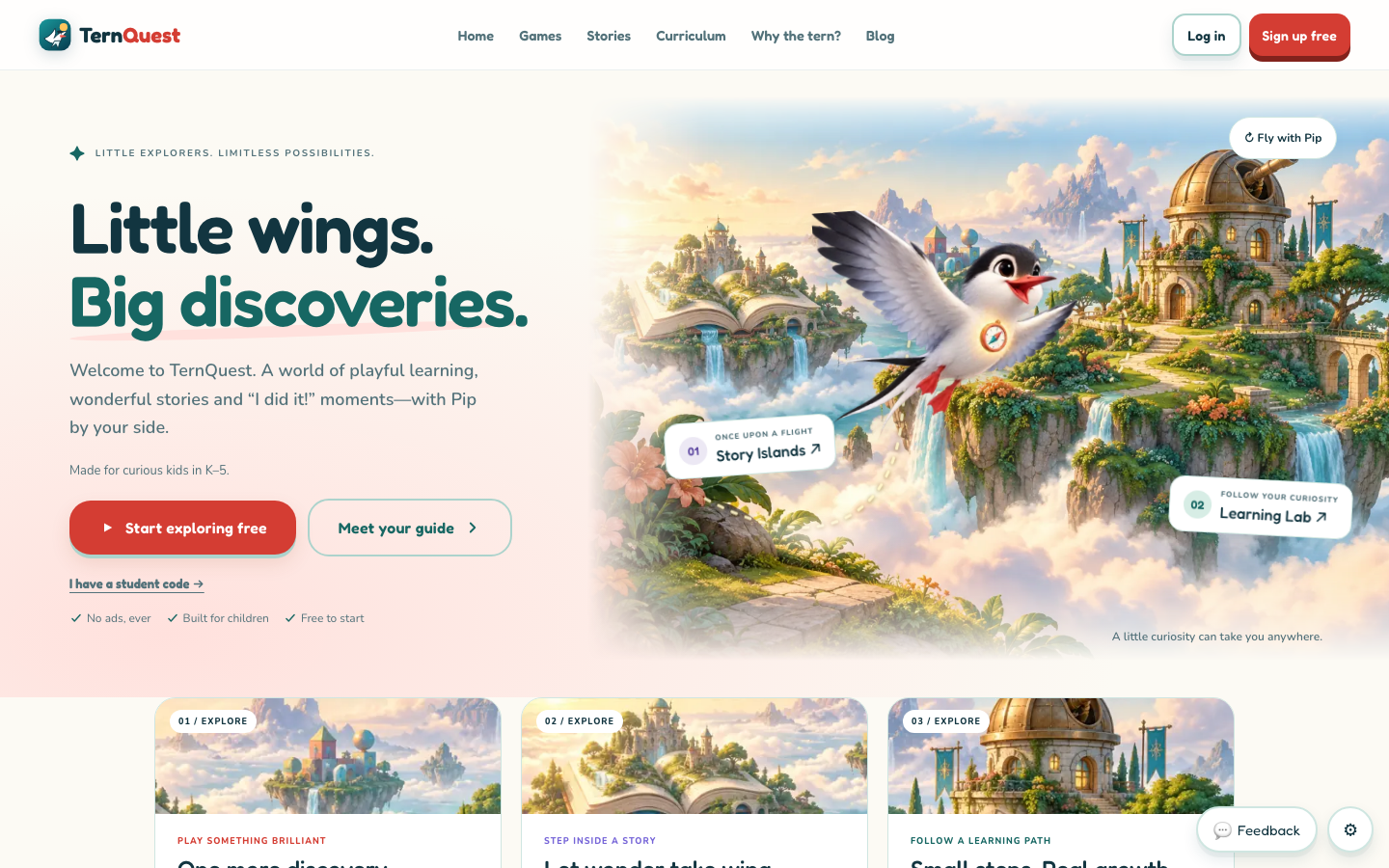
TernQuest
A K–5 learning app with games, narrated picture books, reading, math, science, coding, social studies, and a parent progress dashboard.
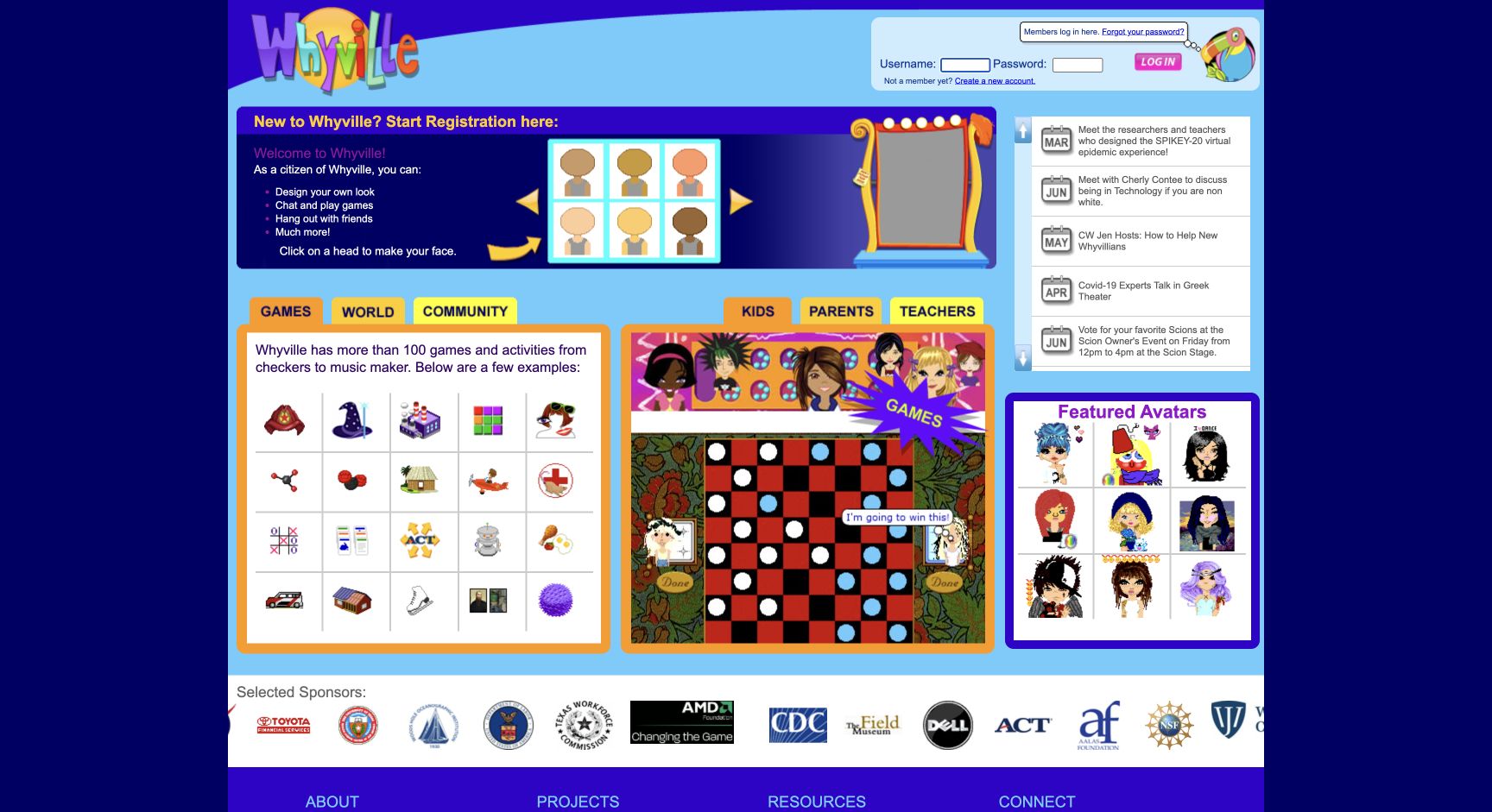
Whyville
A long-running virtual world with more than 100 games and activities spanning science, maths, creativity, and community play.
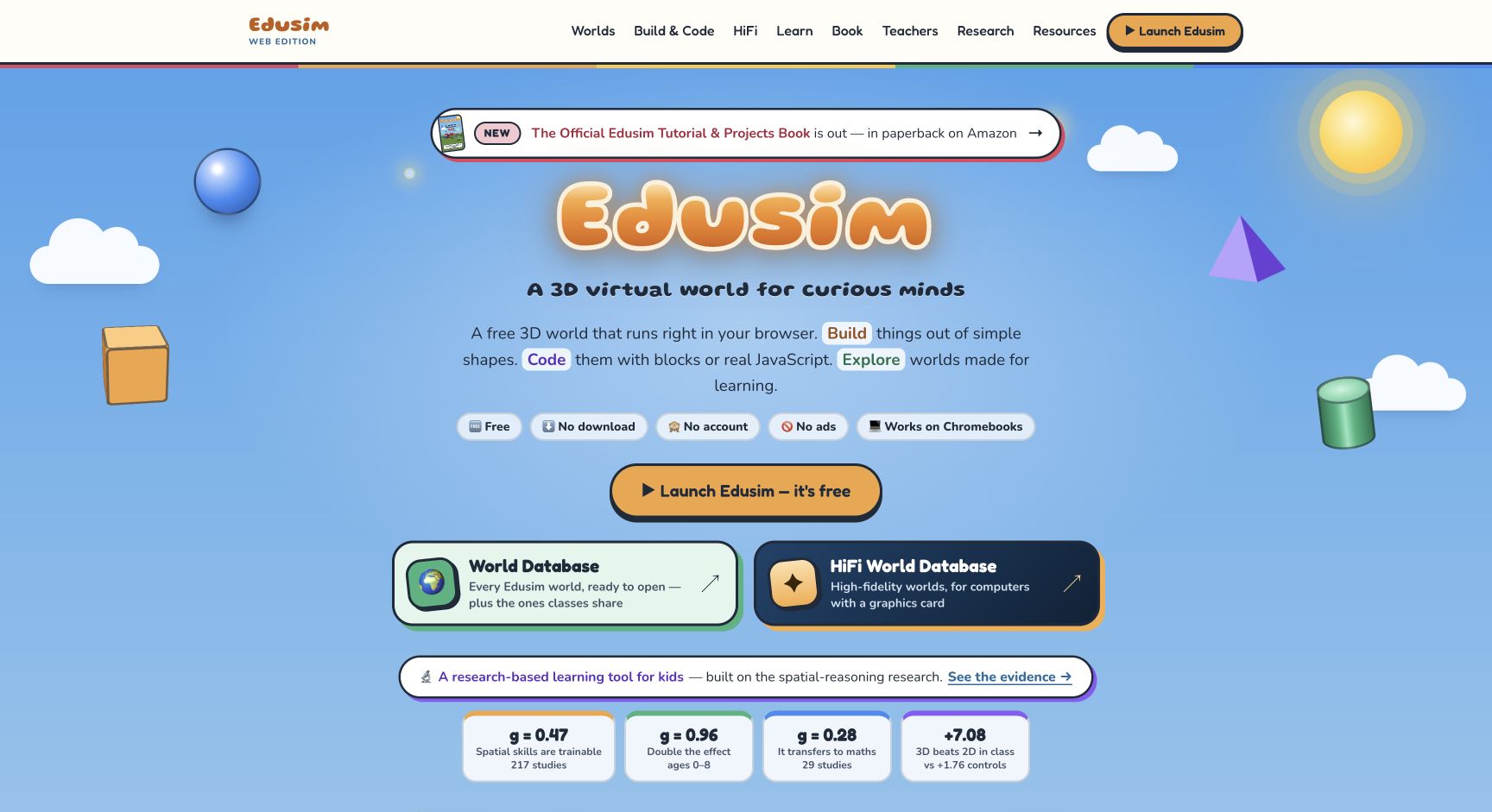
Edusim 3D
A free 3D learning world where children build, explore science topics, and code with blocks or JavaScript.
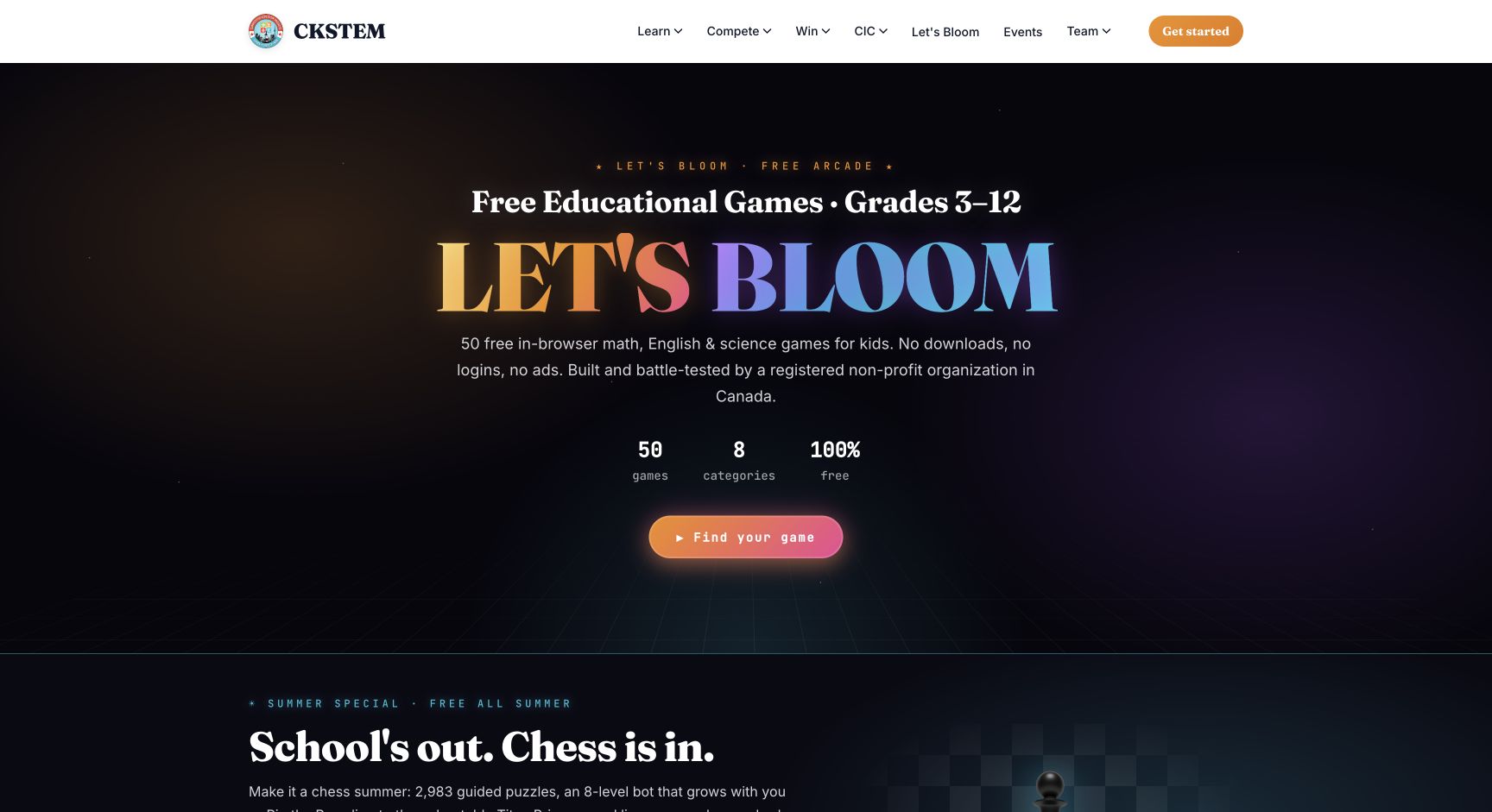
CKSTEM Let’s Bloom
Fifty free in-browser math, English, science, and strategy games for grades 3-12 from a Canadian non-profit.
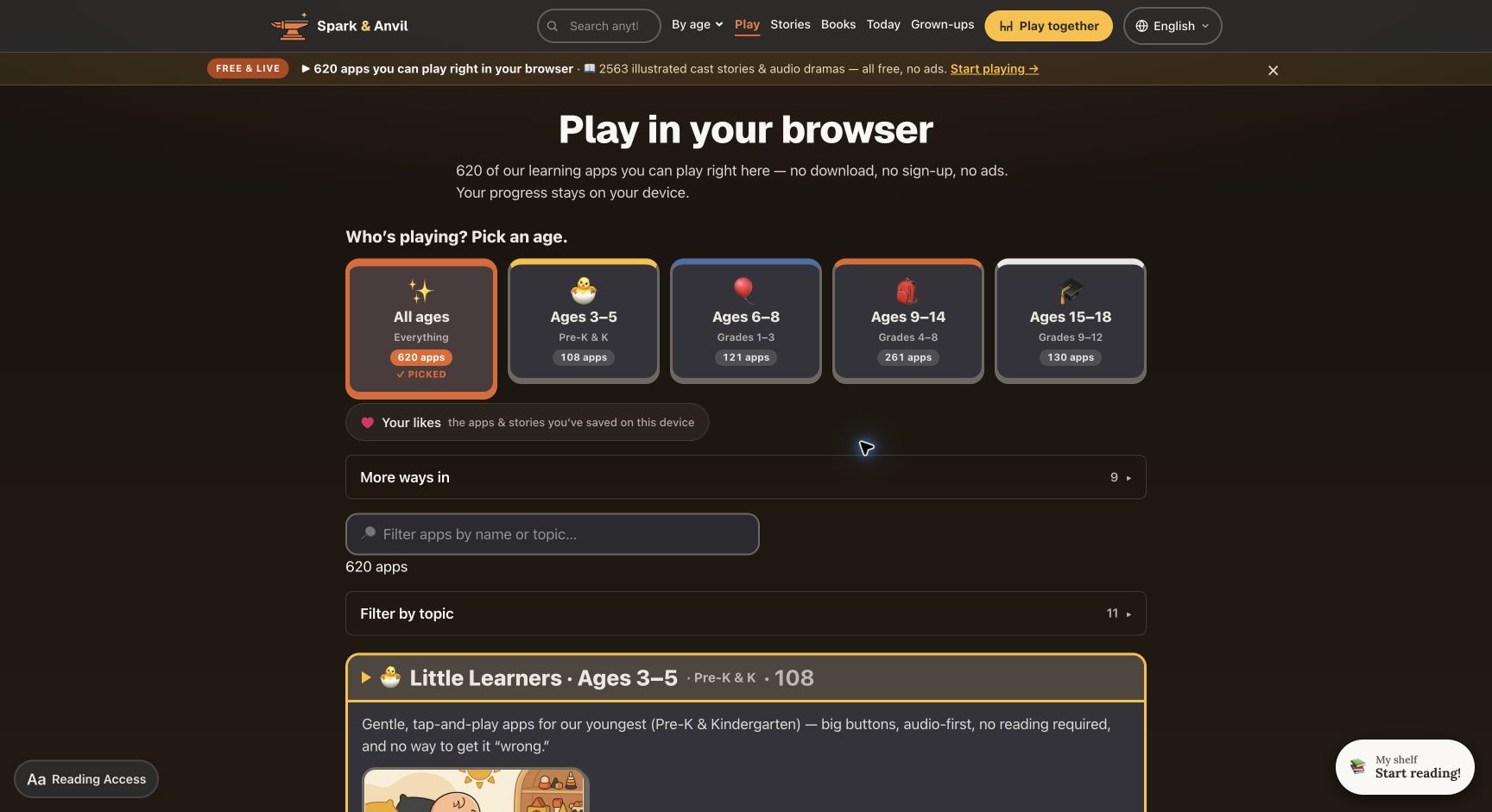
Spark & Anvil
A large free collection of browser learning apps, stories, books, and puzzles for children and teens ages 3–18.
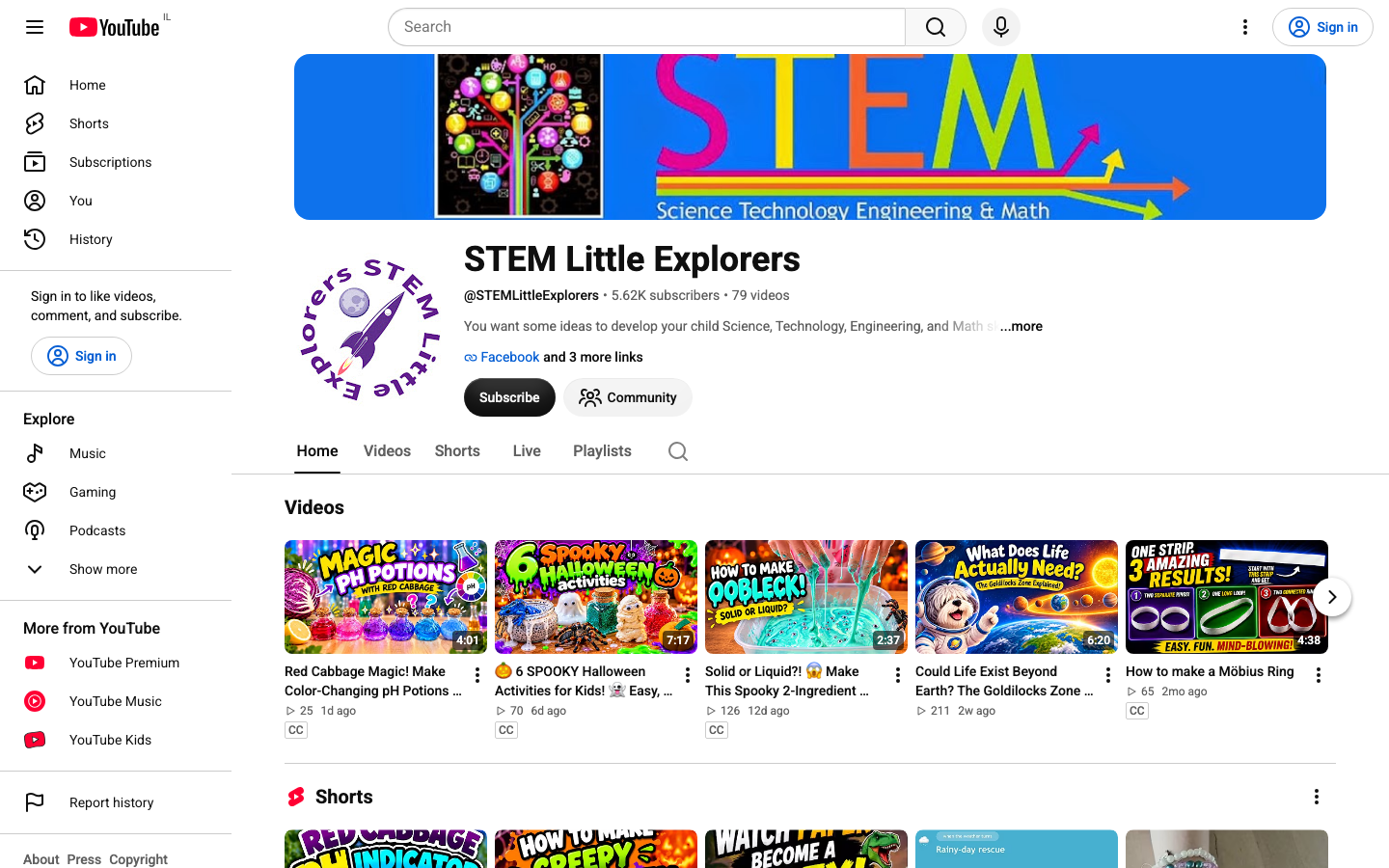
STEM Little Explorers
A STEM video channel with accessible science, technology, engineering, and math explainers and activity-oriented videos for curious learners.
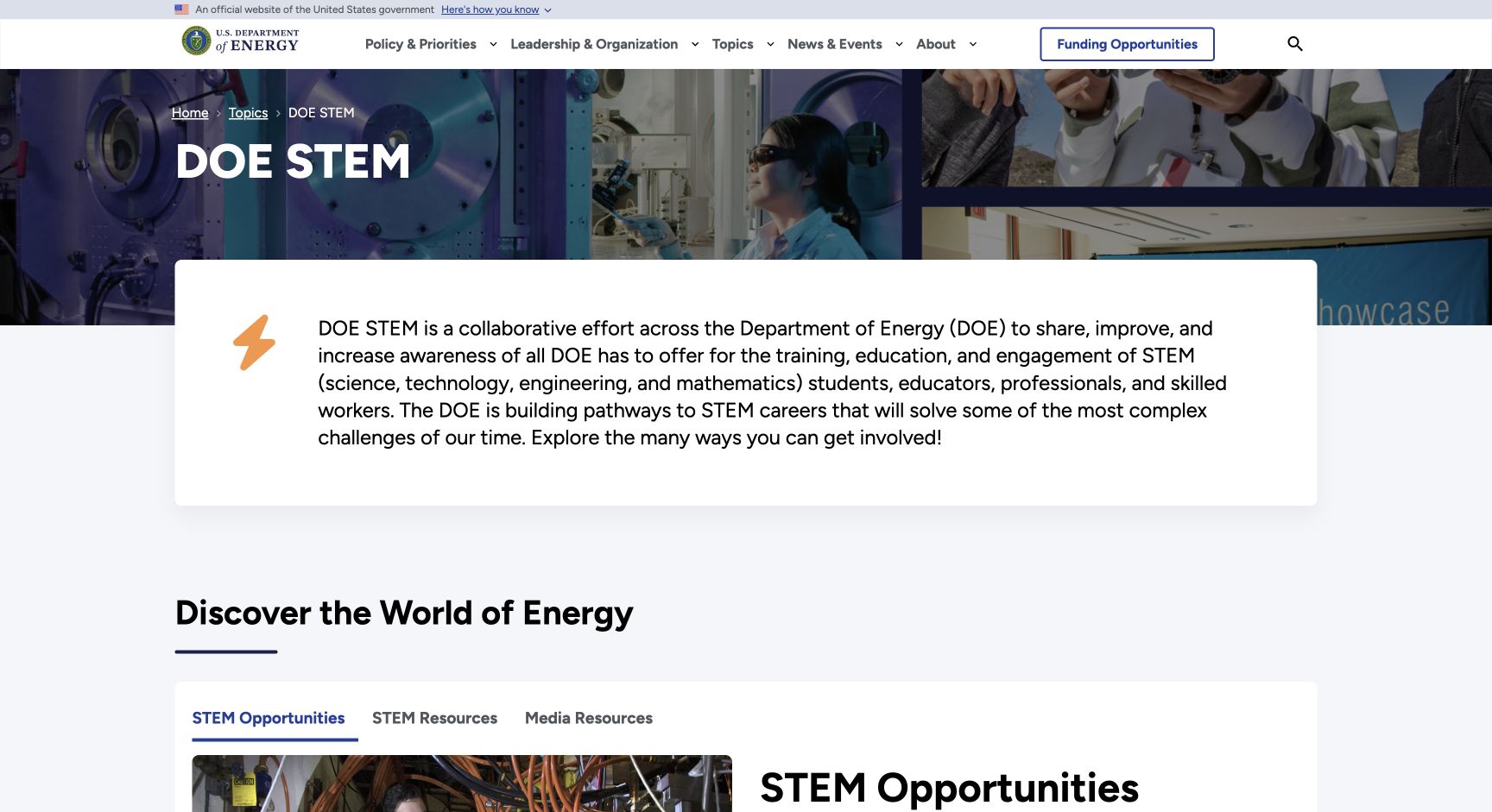
DOE STEM
U.S. Department of Energy STEM opportunities, activities, and learning resources for students, educators, and families.
Compare with context
Use this collection to find a direction, then open each resource page before sharing it with a child. The individual review shows languages, access formats, tags, age guidance, source links, and notes for grown-ups.
Search the full directory →